Diagnosis of skin allergies
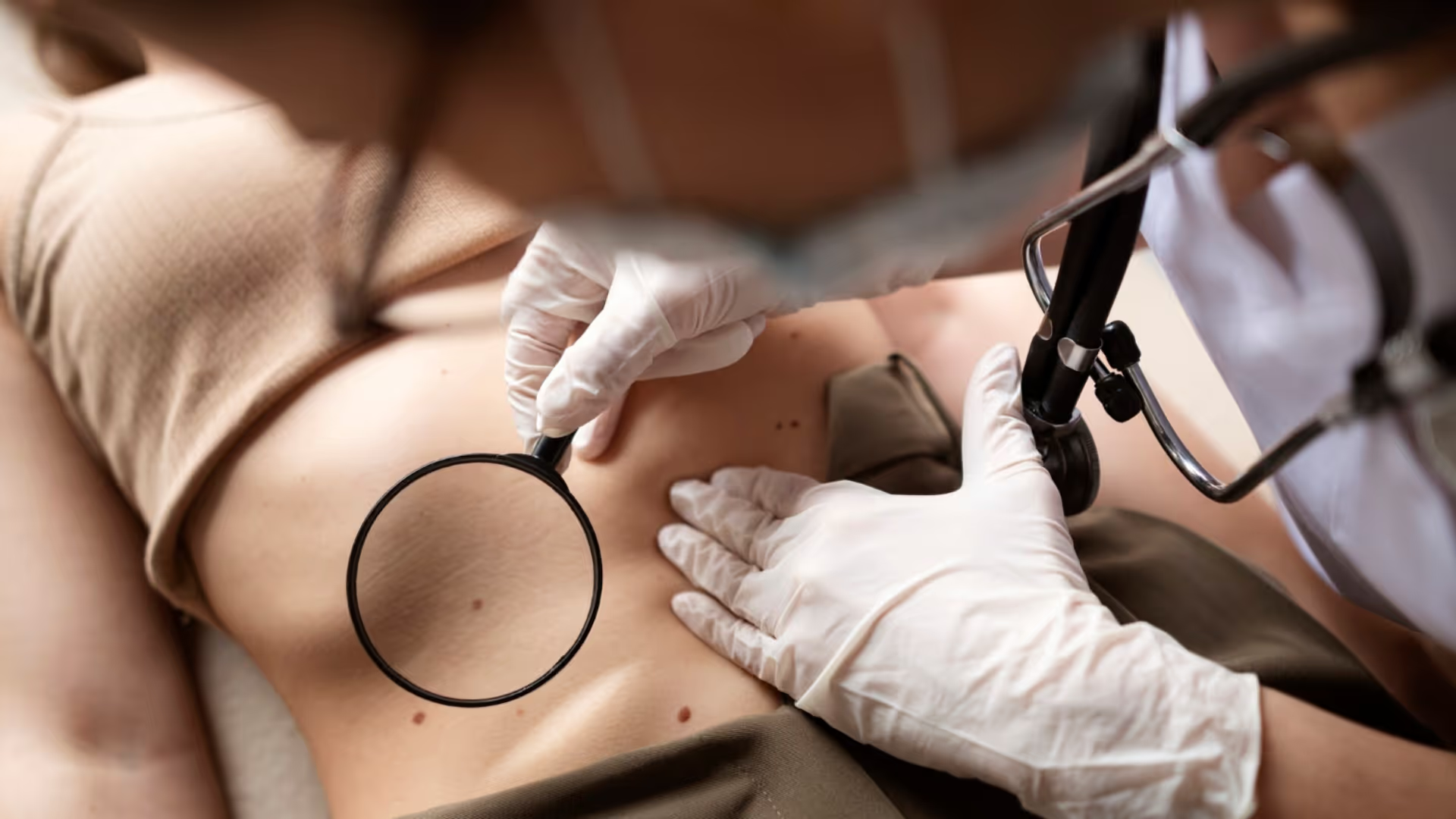
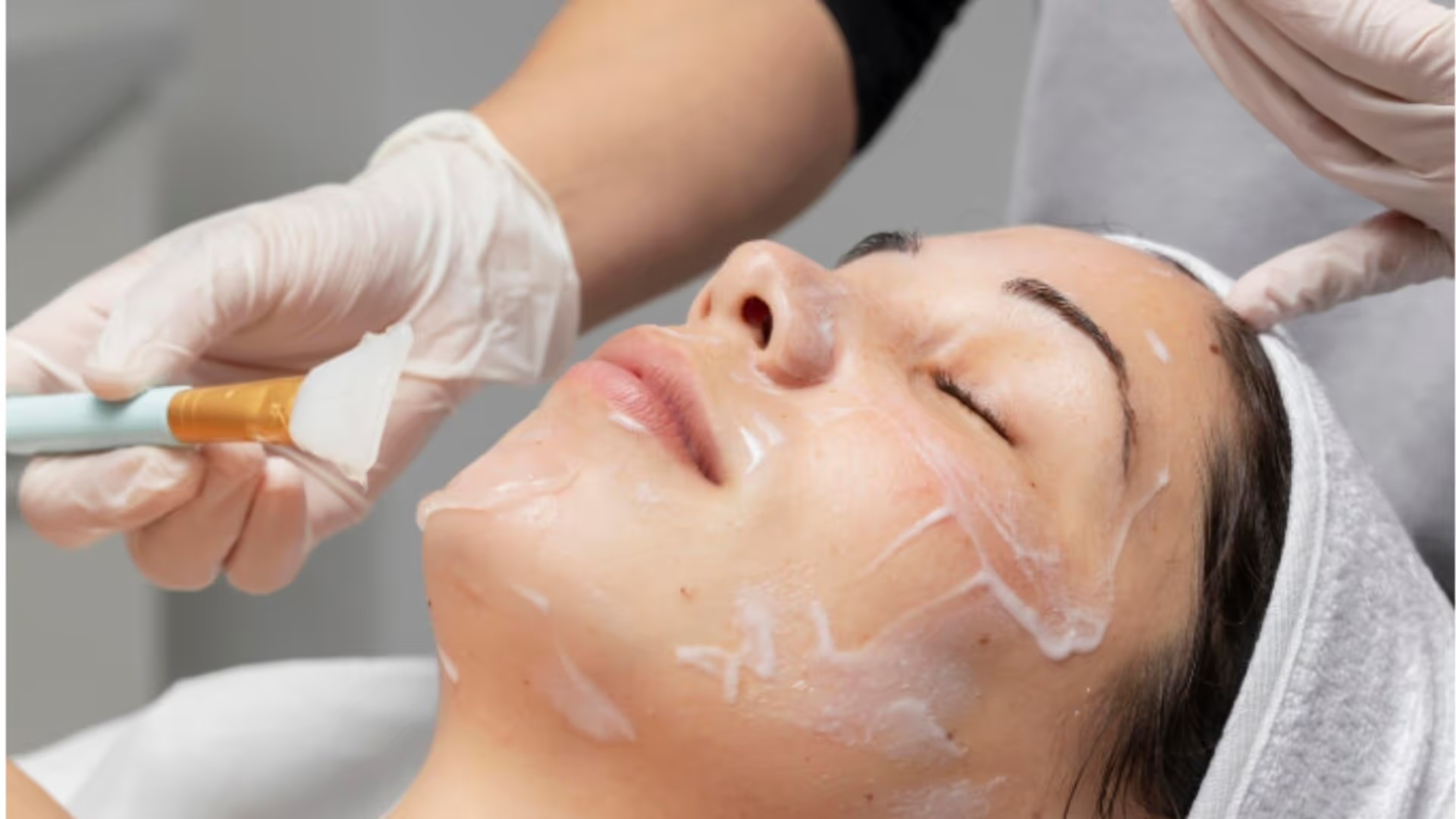
During a consultation, the dermatologist assesses your symptoms, your medical history and the factors that can trigger your skin reaction.
Depending on the situation, patch tests can be proposed in order to identify a possible contact allergy.
Patch tests (patch tests)
Patch tests are a diagnostic method for identifying the substances responsible for skin allergy.
Small amounts of allergens are applied to the skin on the back in the form of patches. Tests remain in place 48 hours, then the skin is examined at 48 hours and 72—96 hours in order to observe a possible reaction.
These tests make it possible to identify substances likely to cause a contact eczema (cosmetics, household products, metals, preservatives, etc.).
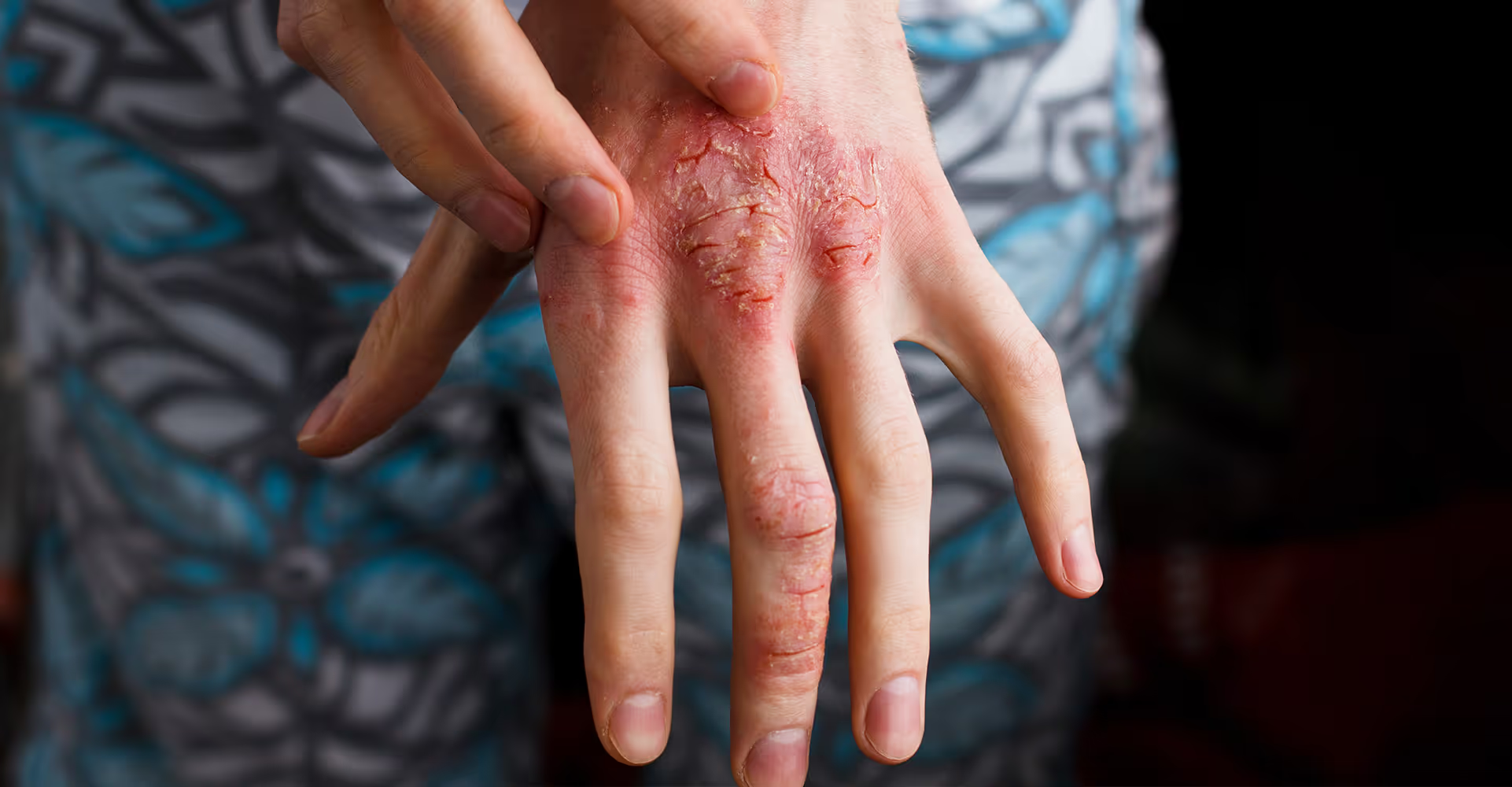
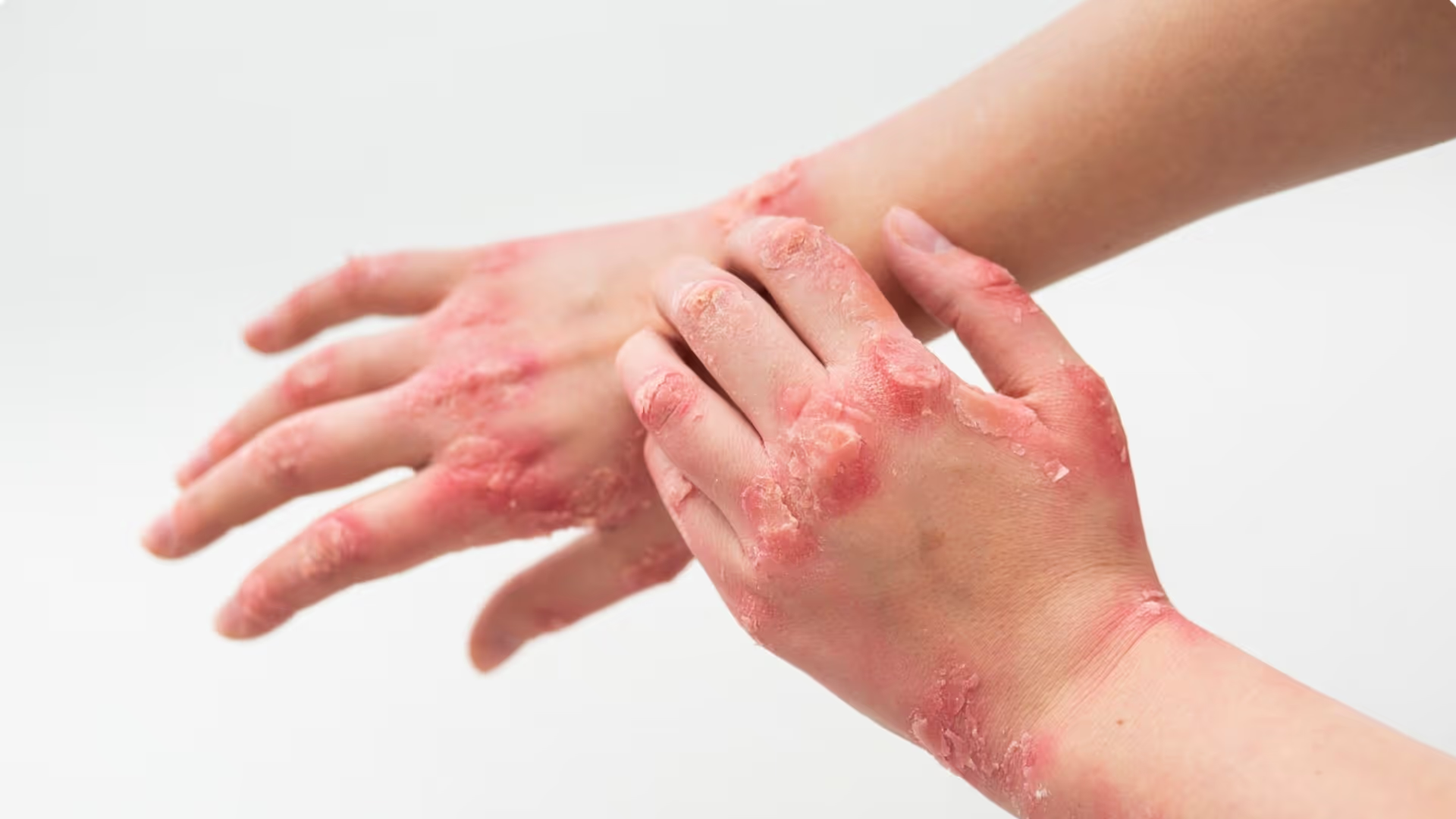
Hand eczema: practical advice
In case of irritant hand eczema, certain measures can limit irritation and help the skin recover.
- prefer to wash your hands with lukewarm water and use mild or extra rich soap
- apply a moisturising or protective cream regularly
- wear gloves for housework or prolonged contact with water
- avoid irritating products and prolonged contact with certain acidic foods
- protect hands from the cold
Even after improvement, the skin may remain fragile for several months. It is therefore important to maintain these measures for a while.
Make an appointment
A dermatological consultation allows you to assess your symptoms, identify the triggering factors and set up appropriate management.
Depending on the case, allergological tests can be carried out in order to specify the diagnosis and to guide preventive measures.
FAQS
What is an allergy patch test?
It is a skin test to identify the substances responsible for a contact allergy, through the application of allergens to the skin.
Is the test painful?
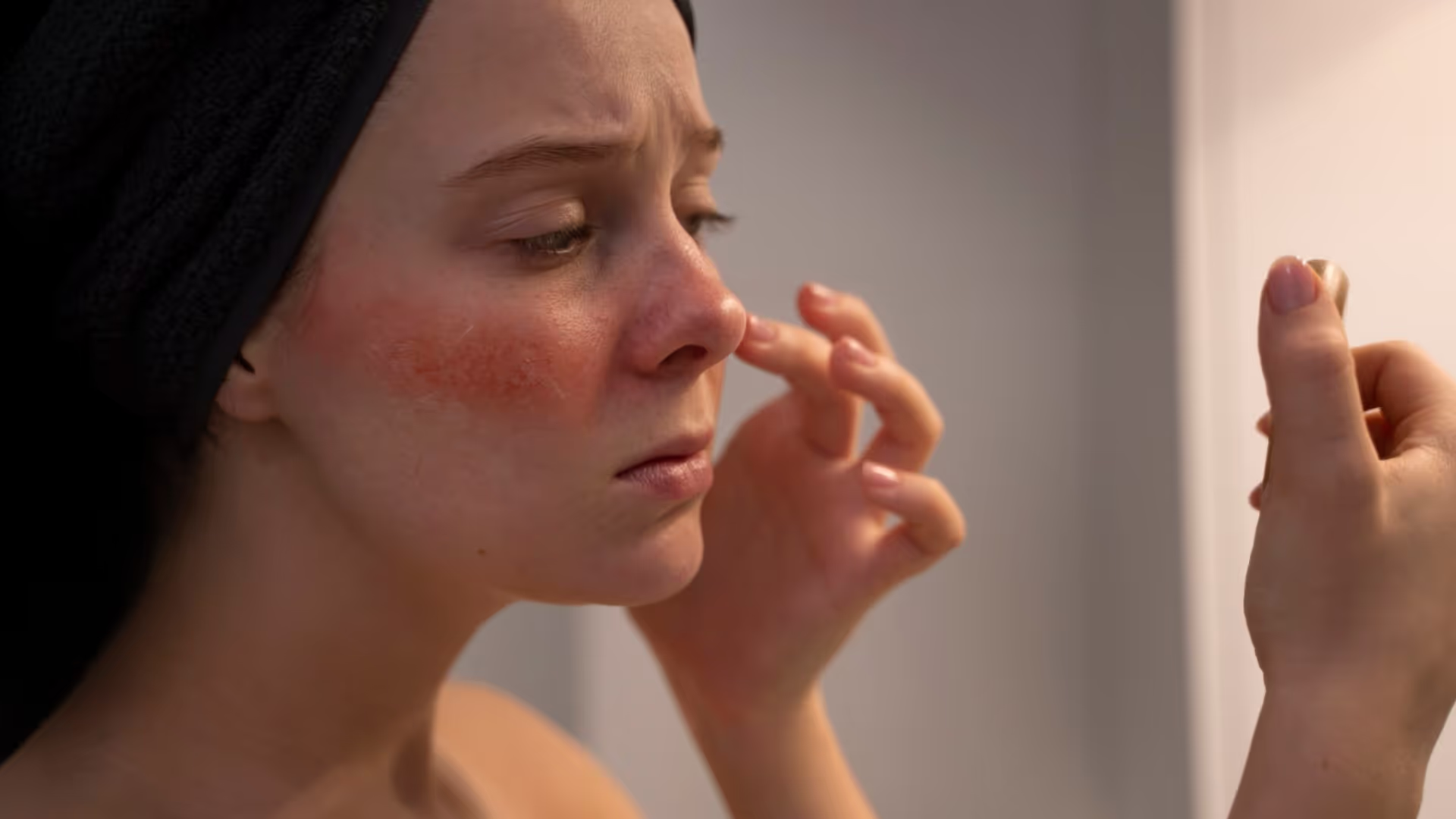
No, patch tests are painless. A local reaction (redness, itching) may occur in case of allergy.
How long does the test take?
The patches are left in place for 48 hours, with a reading carried out at 48 hours and then at 72—96 hours.
Should precautions be taken during the test?
Yes, it is important to avoid getting your back wet and to limit physical activities so as not to peel off the patches.
What to do if an allergy is identified?
The dermatologist will tell you which substances to avoid and what measures to adopt to limit recurrences and protect your skin.