What is phototherapy?
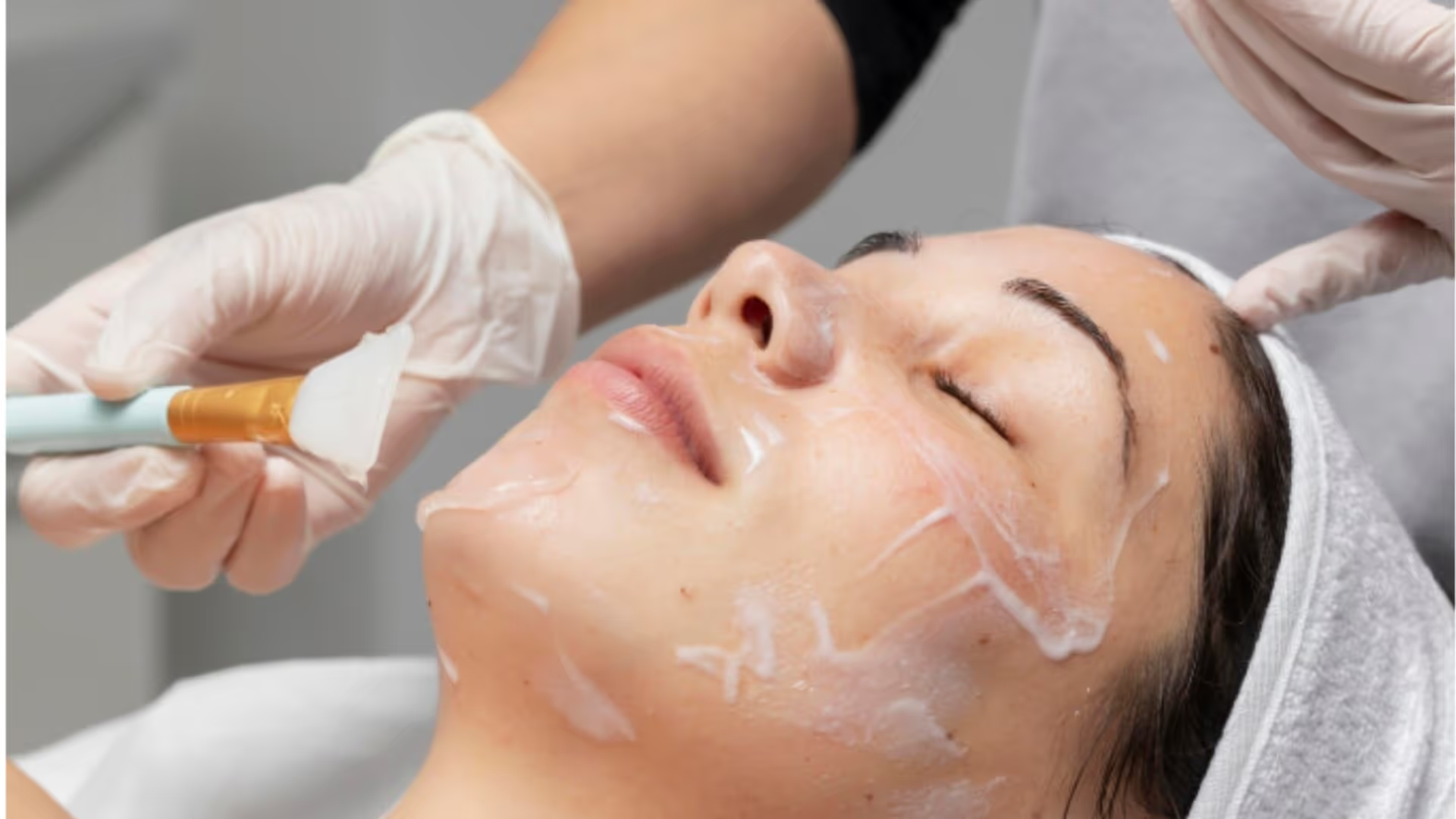
Phototherapy is a dermatological treatment based on the use of ultraviolet rays (UV) applied in a controlled manner.
This targeted exposure allows:
- of reduce certain skin inflammations
- of stimulate skin repigmentation in certain pathologies
- to act directly on affected areas while limiting the impact on healthy skin
The treatment is always carried out under medical check in order to adapt the doses and limit the side effects.
Types of phototherapy
Several techniques can be used depending on the location and extent of the lesions.
Spot treatment
Some technologies make it possible to treat specific skin areas, for example in the case of localized psoriasis or vitiligo.
This approach limits the exposure of healthy skin and reduces side effects.
Treatment on large surfaces (UV cabin)
When the lesions are more extensive, phototherapy can be performed in an adapted UV cabin.
The wavelength is chosen to act effectively on the skin while limiting the risks.
Phototherapy combined with a sensitizing drug (PUVA)
In some cases, medication may be given in order to temporarily sensitize the skin to UV, thus increasing the effectiveness of the treatment.
This technique requires certain precautions after the session, including Wearing sunglasses and avoiding natural light for several hours.
Main indications
Phototherapy can be used in the treatment of several dermatological conditions, including:
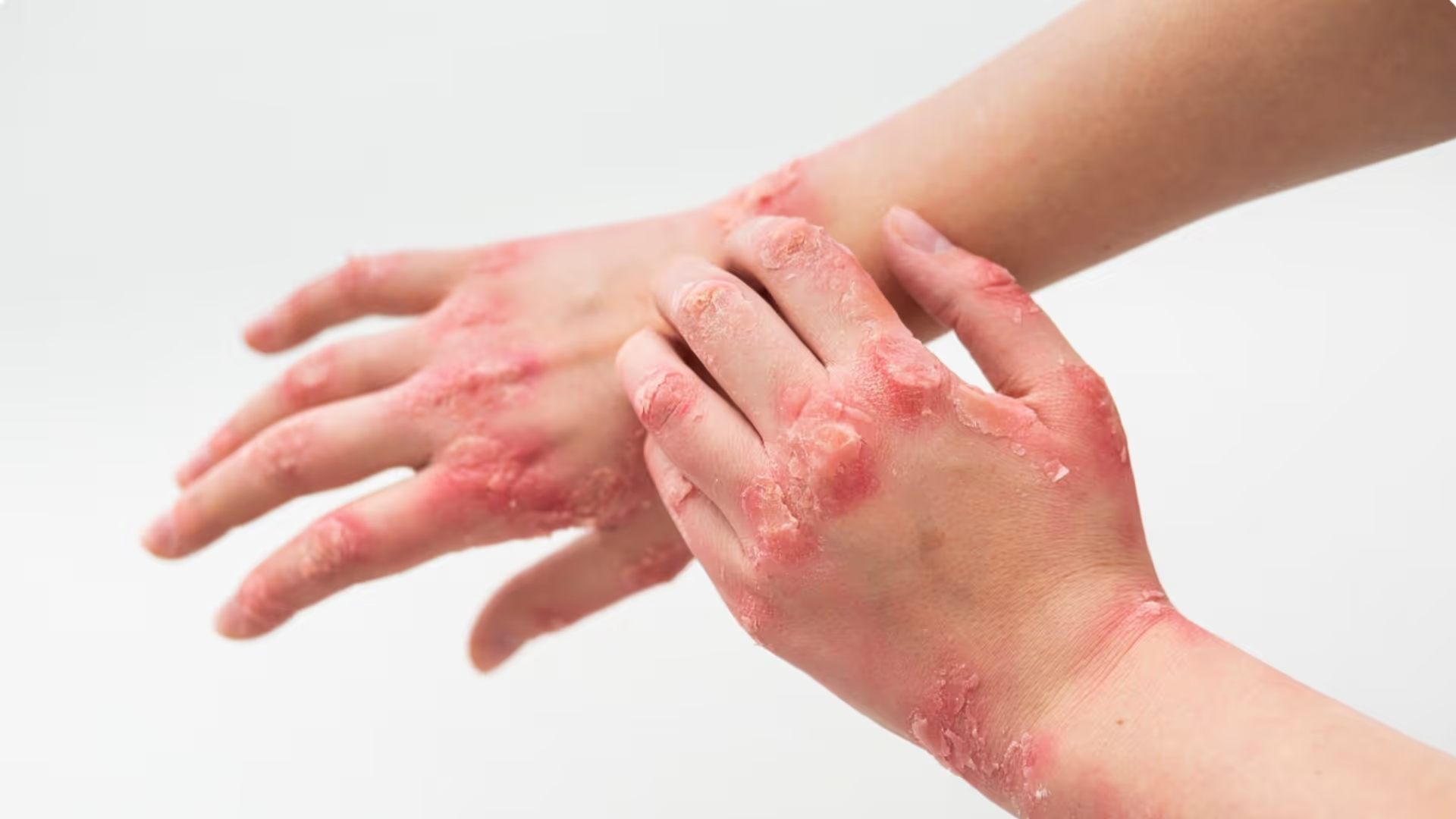
- psoriasis
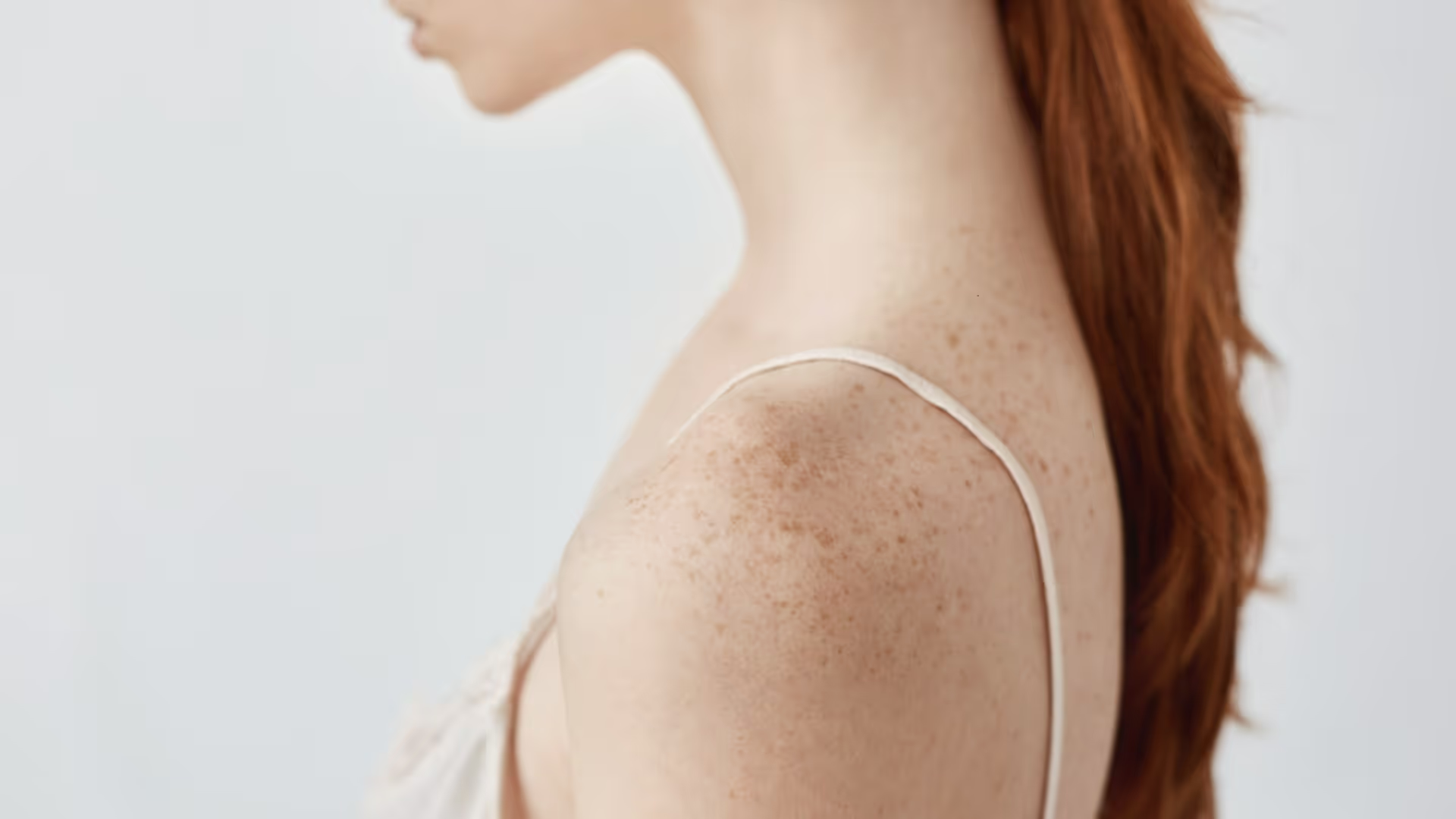
- vitiligo
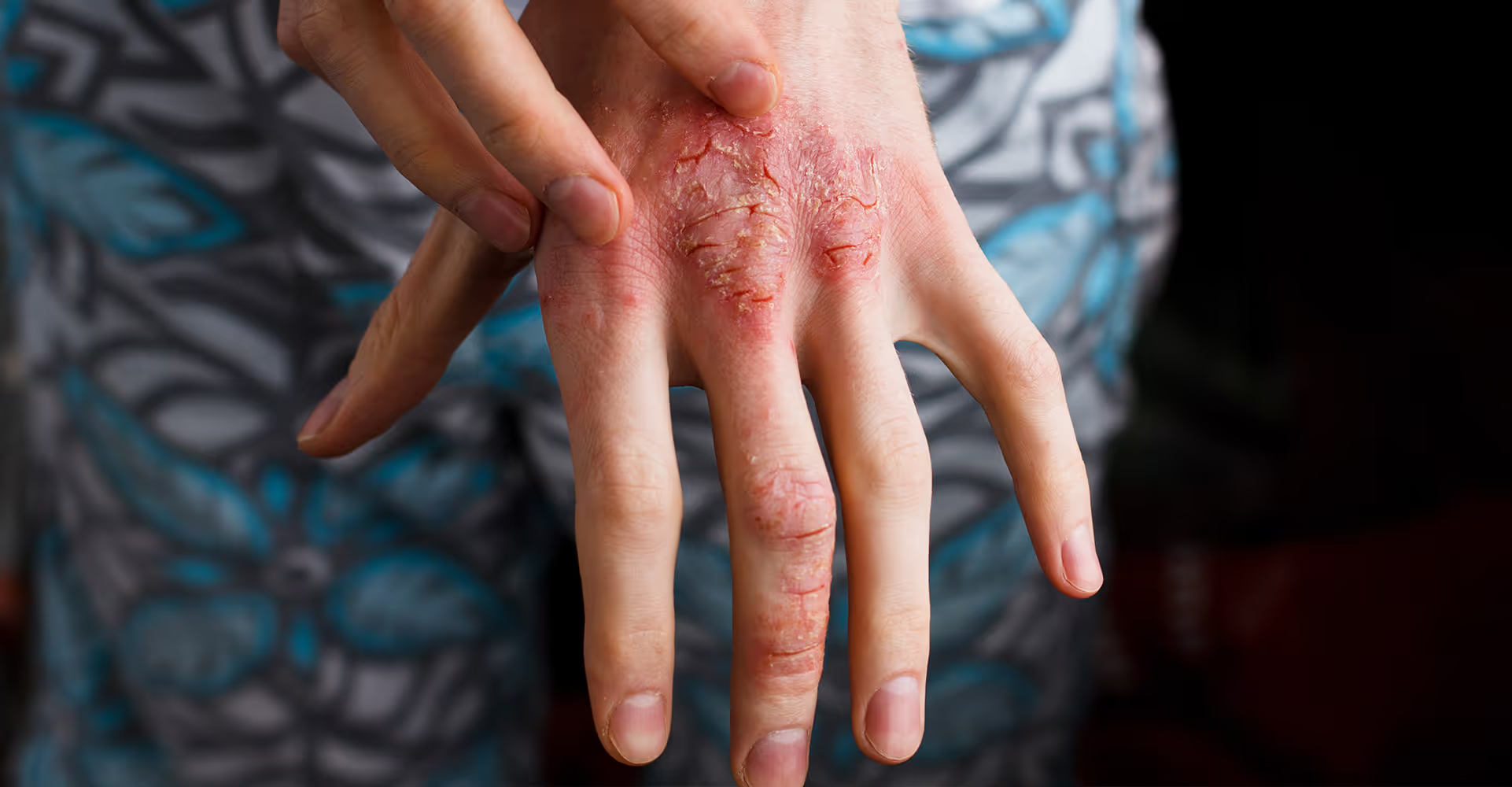
- chronic eczema
- lucite (sun allergy)
- prurigo
- some other inflammatory skin diseases
The choice of technique depends on pathology, its extent and response to treatment.
Treatment process
Treatment starts with A dermatological consultation to determine the most appropriate type of phototherapy.
The protocol generally includes:
- gradual exposure to UV
- mandatory eye protection during the session
- regular skin monitoring
The Number of sessions and duration of treatment vary according to the pathology and clinical course.
Precautions and contraindications
Some precautions are required during treatment:
- avoid sun exposure outside of sessions
- report any photosensitizing medication
- respect the dermatologist's recommendations
Some situations, such as very sensitive skin or a history of skin cancers, require a specific medical evaluation.
Possible side effects
Some side effects may occur:
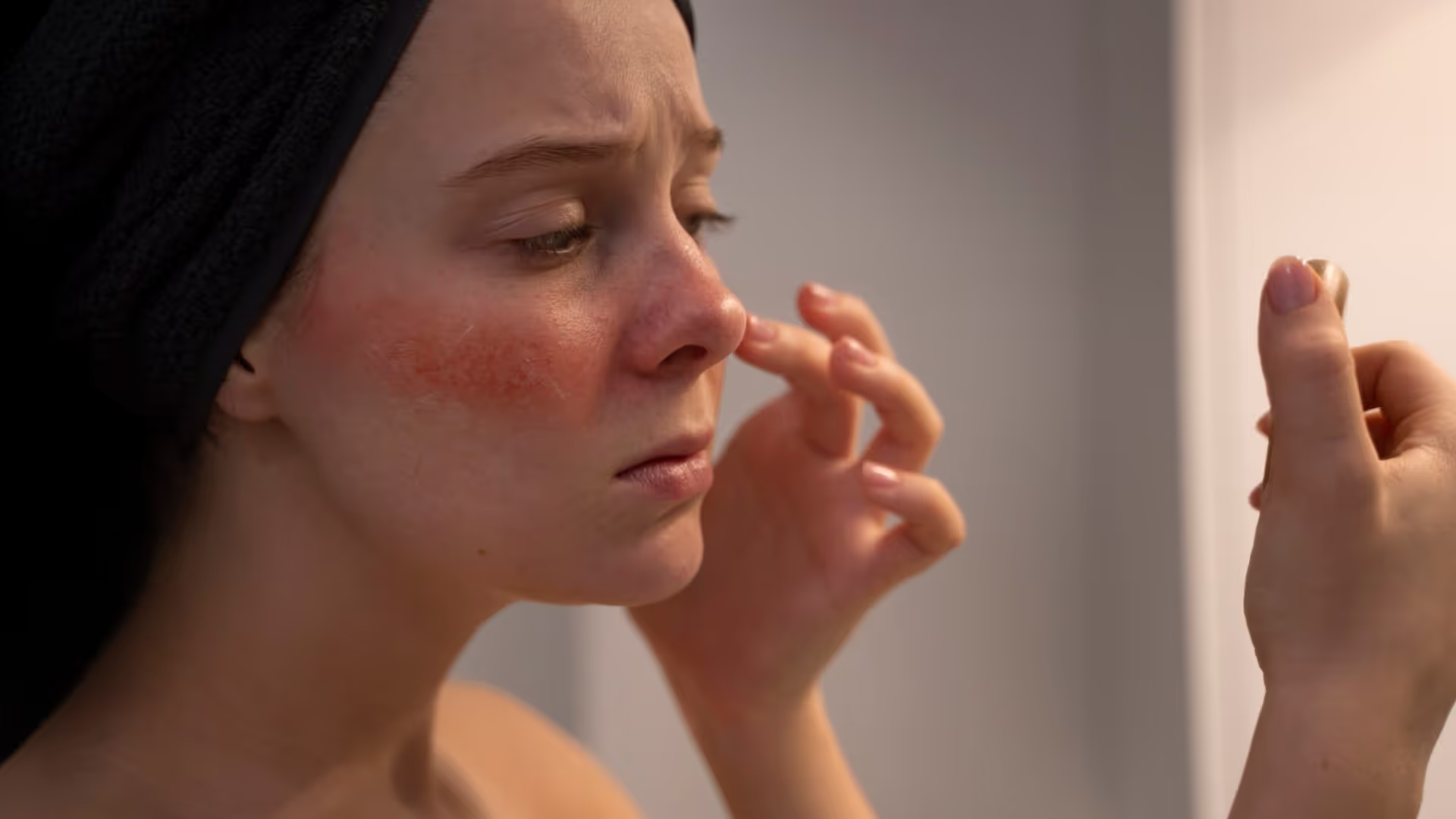
- skin redness
- slight sensation of heat
- dry skin
- itching
- temporary tanning
In rare cases, complications may occur:
- burns in case of overdose
- hyperpigmentation or hypopigmentation
- increased risk of skin cancers in the long term if there is excessive exposure
FAQ
Is the treatment painful?
Phototherapy is generally painless. A slight sensation of heat may be experienced during exposure.
When do the results appear?
The first effects generally appear after several sessions, often between 4 and 8 weeks depending on the pathology.
Are there any side effects?
Skin redness or dryness may occur, but serious complications remain rare when treatment is well followed.
Can I expose myself to the sun during the treatment?
It is recommended to avoid sun exposure and to use appropriate sun protection.
Is the treatment suitable for all skin types?
Phototherapy can be adapted to most skin types, but some situations require prior medical evaluation.