Purpose of photorejuvenation
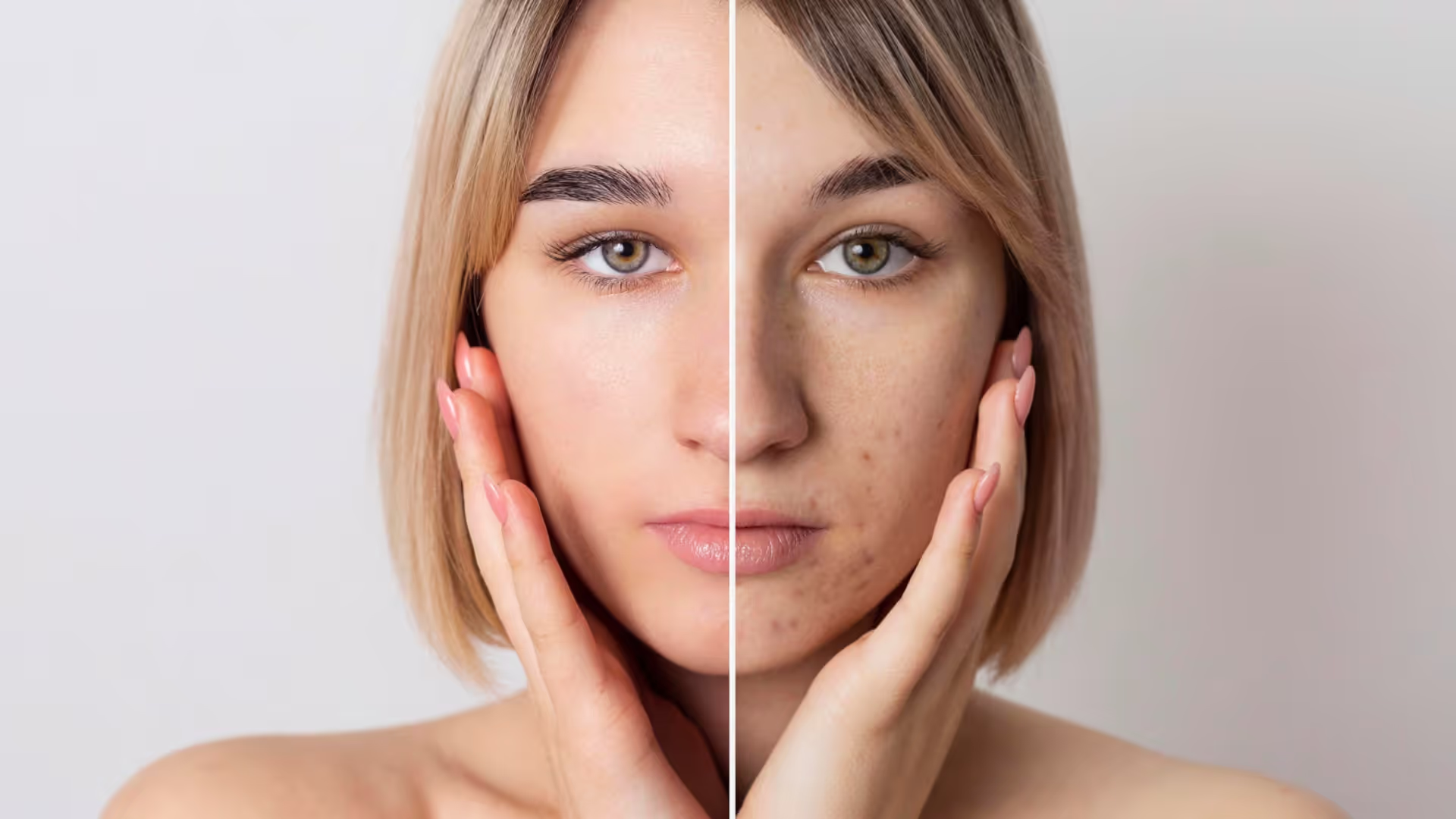
Photorejuvenation aims to improve the overall appearance of the skin by stimulating the natural production of collagen.
In particular, this treatment allows:
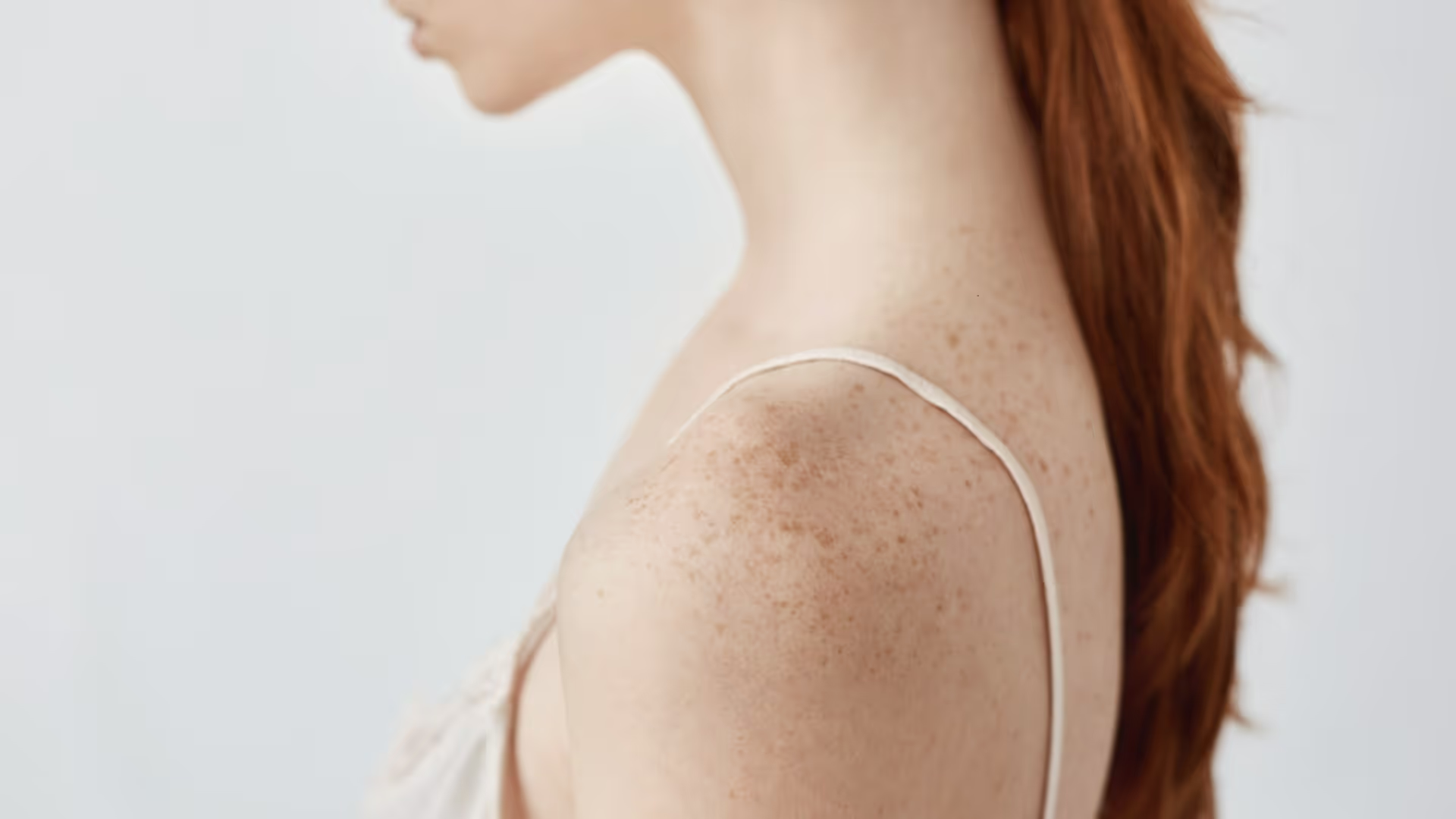
- to reduce dark spots
- to reduce some dilated vessels
- to improve the firmness and radiance of the complexion
Principle of treatment
Photorejuvenation is based on a gentle heating of the dermis, which activates fibroblasts.
These cells are responsible for the synthesis of collagen, which is essential for the firmness and elasticity of the skin.
Some techniques also make it possible to target pigmented spots and visible vessels, helping to improve the overall appearance of the skin.
Duration and frequency of sessions
The treatment is carried out in several sessions.
In general:
- 2 to 4 sessions spaced from 4 to 6 weeks
- 1 to 2 maintenance sessions per year are recommended
Each session lasts approximately 20 to 30 minutes.
The results appear gradually over the sessions.
Main indications
Photorejuvenation is particularly suitable for people with:
- pigmented spots
- dilated vessels
- slight sagging skin
- an irregular skin tone
The most frequently treated areas are:
- the face
- the neck
- the neckline
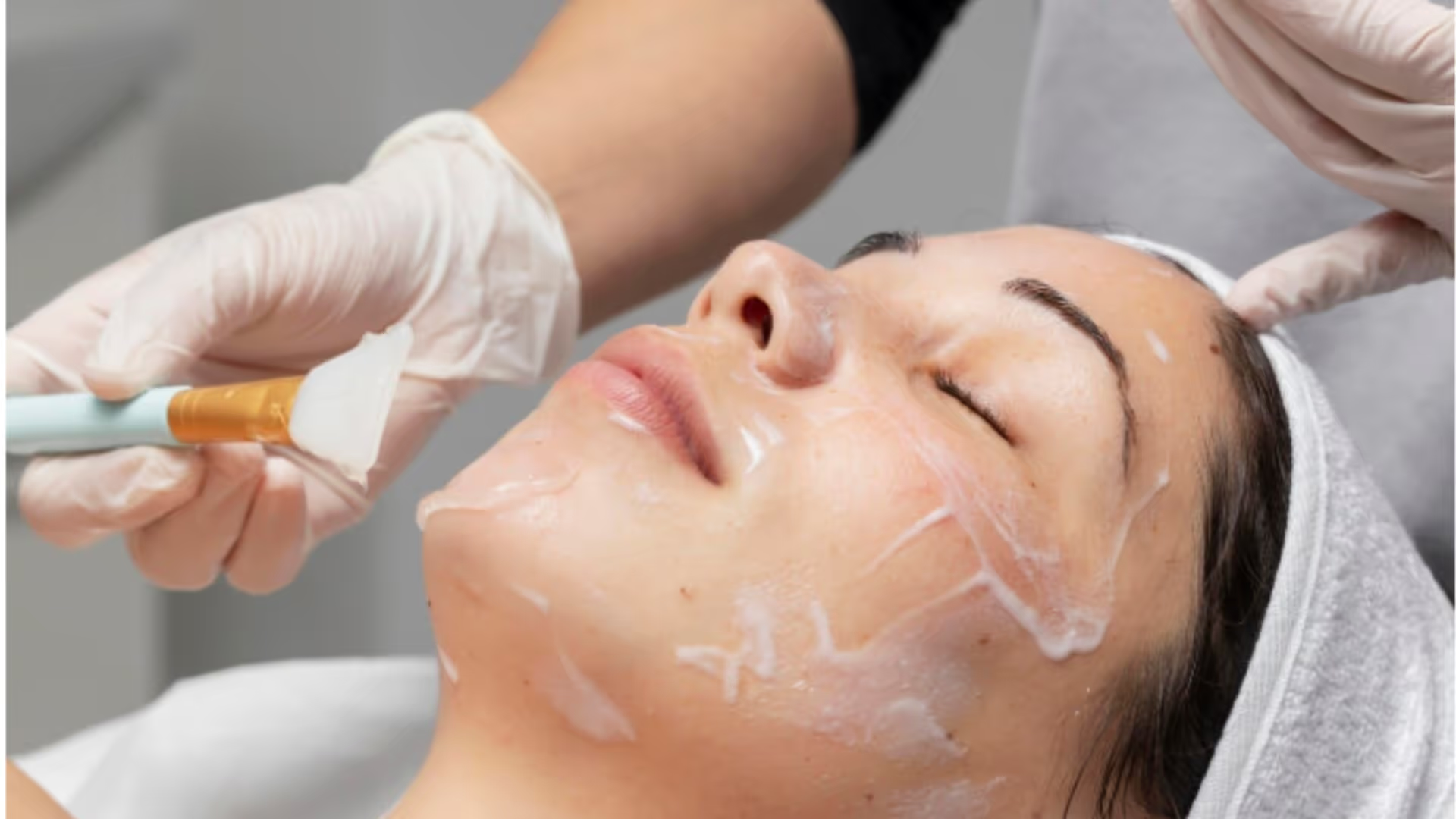
Course of a session
Before treatment, the skin is thoroughly removed from makeup.
One suitable eye protection is used during the session.
During treatment, patients may experience:
- a feeling of warmth
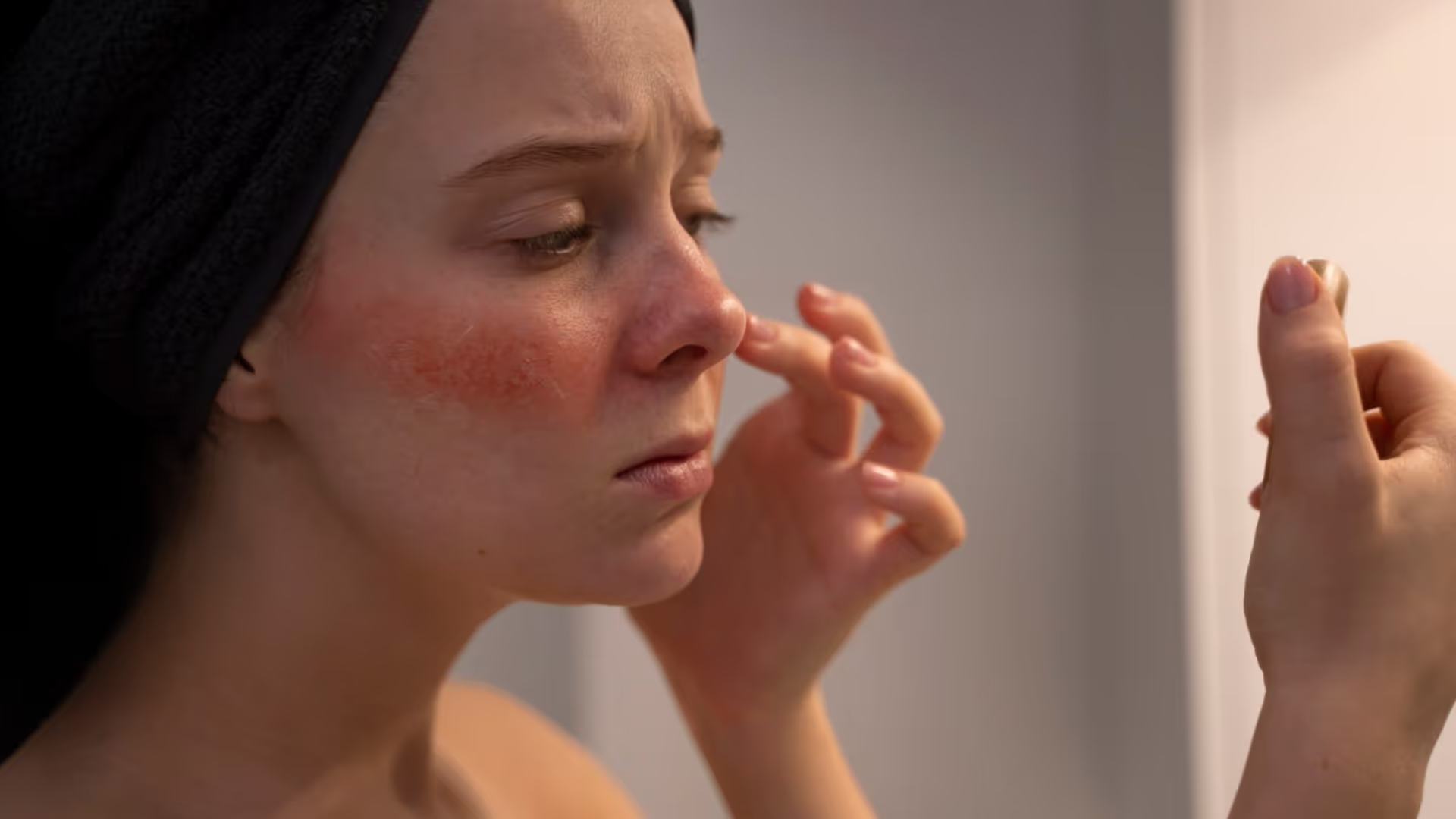
- slight redness
- sometimes a slight temporary swelling
Pigmented spots may darken temporarily before gradually fading over the next week.
Precautions and contraindications
Certain precautions must be respected to limit the risk of complications:
- avoid sun exposure before and during treatment
- do not treat tanned skin using certain techniques
- apply high protection sun protection regularly
- avoid sauna and intense physical activity for 2 to 3 days after the session
- do not tear off any scabs
Possible side effects
After the session, some reactions are frequent but generally temporary:
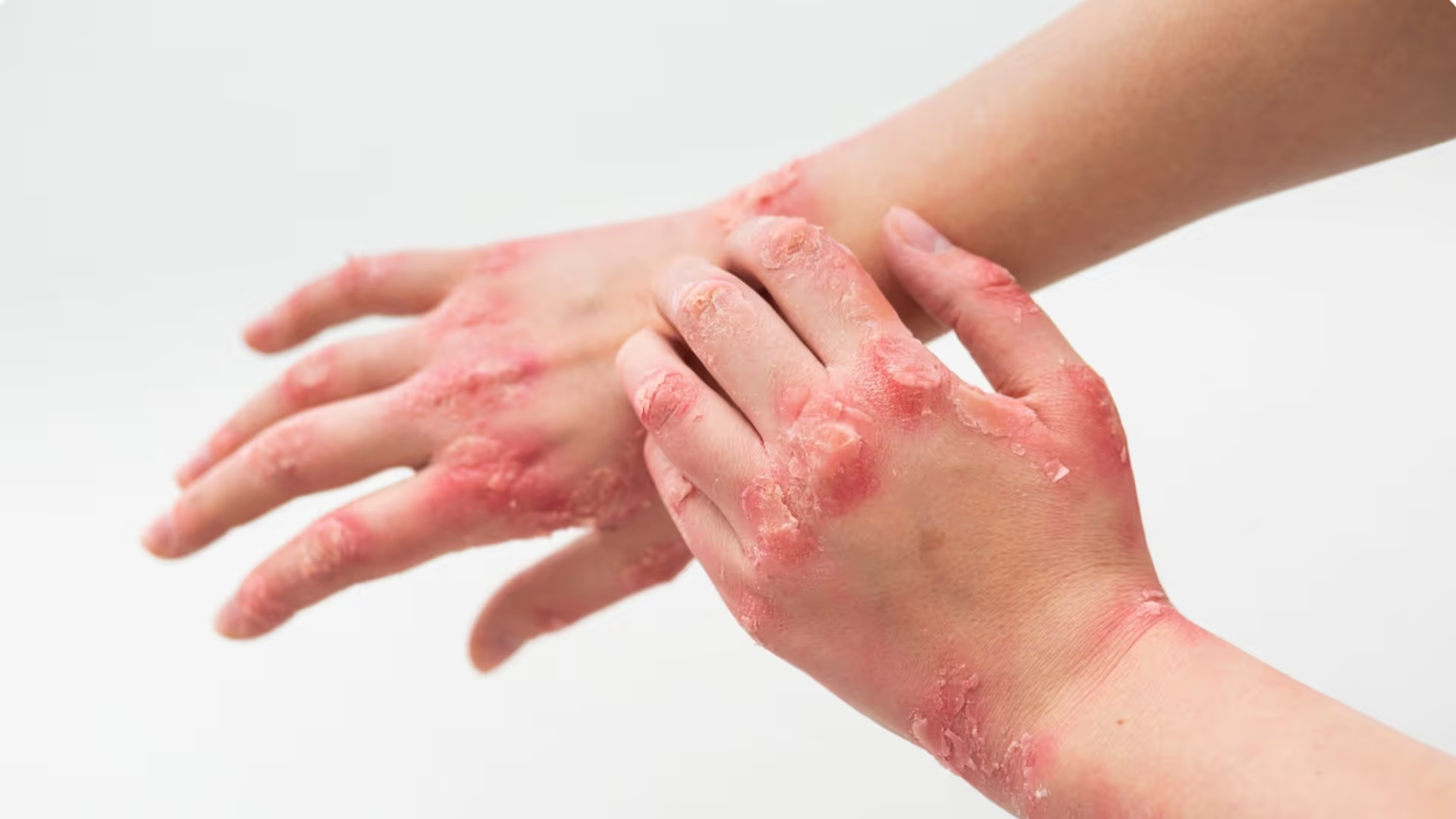
- redness and edema, sometimes a few “small pimples” that usually resolve in 1 to 2 days
- scabs possible for 3 to 10 days (makeup possible, but no scratching)
- temporary dark brown spots on treated areas
In rare cases, rare complications may occur:
- hyperpigmentation, especially in case of premature sun exposure
- hypopigmentation
- scars (very rare)
FAQ
Is photorejuvenation painful?
The treatment is generally well tolerated. Instead, patients describe a feeling of warmth or tingling.
When do the results appear?
The results appear gradually, often after 2 to 3 sessions, with a more even complexion and brighter skin.
How many sessions are required?
On average 2 to 4 sessions spaced 4 to 6 weeks apart are required, followed by annual maintenance sessions to maintain results.
What treatments should I apply after a session?
A soothing and hydrating treatment is recommended, combined with high sun protection.
Is the treatment suitable for all skin types?
It is mainly indicated for fair to intermediate skin. Dark or dark skin requires prior medical advice.