What is a chemical peel?
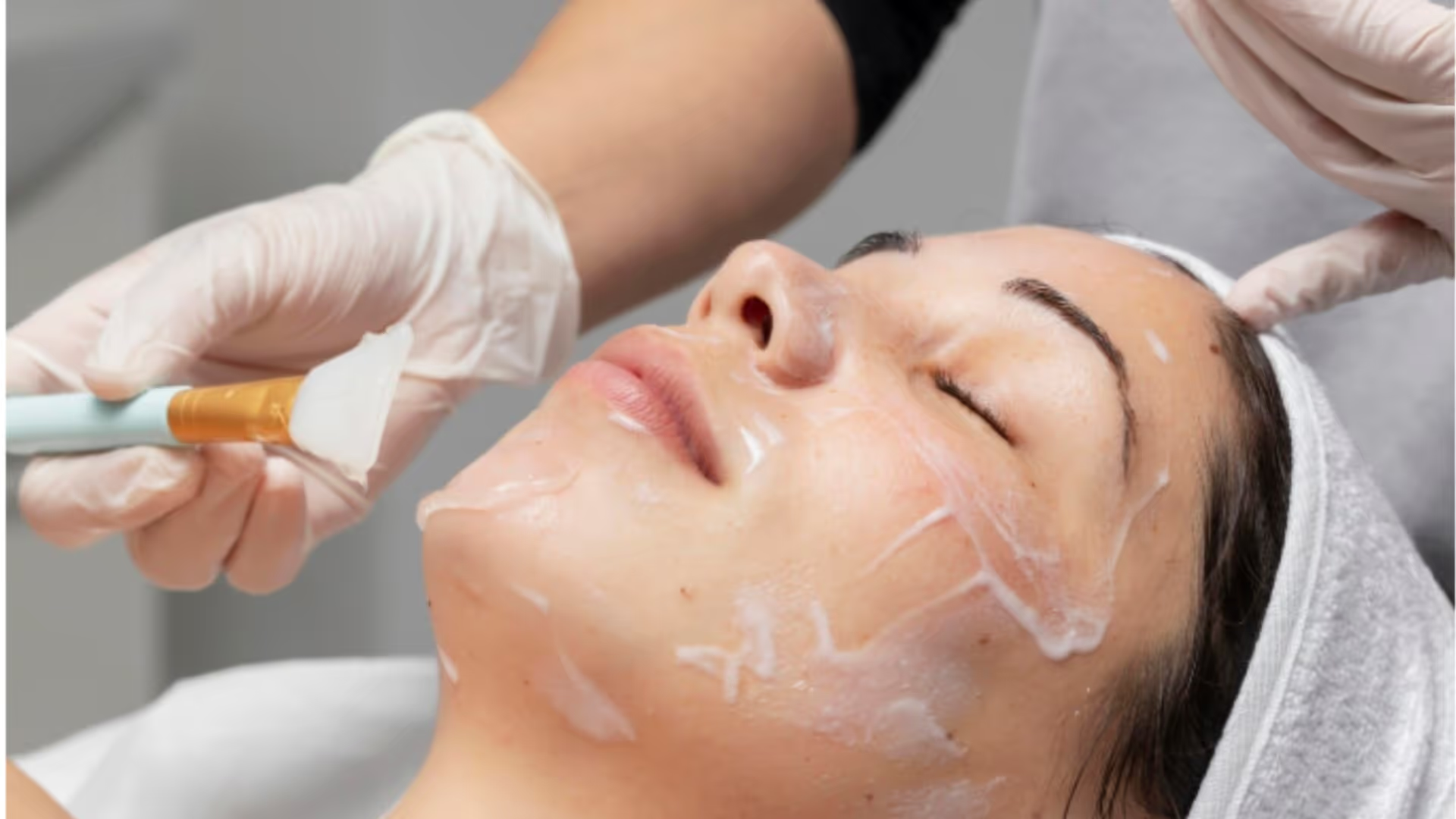
Unlike laser treatments that use light, peels rely on the application of specific chemical substances, usually acids.
These active ingredients, often of natural origin, make it possible to exfoliate the superficial layers of the skin and to stimulate cell renewal.
Frequently used substances include:
- fruit acid (AHA like glycolic acid)
- salicylic acid (BHA)
- trichloroacetic acid (TCA)
The peel works gradually to improve the overall appearance of the skin.
What are the indications for a peel?
Peels may be offered for a variety of indications, including:
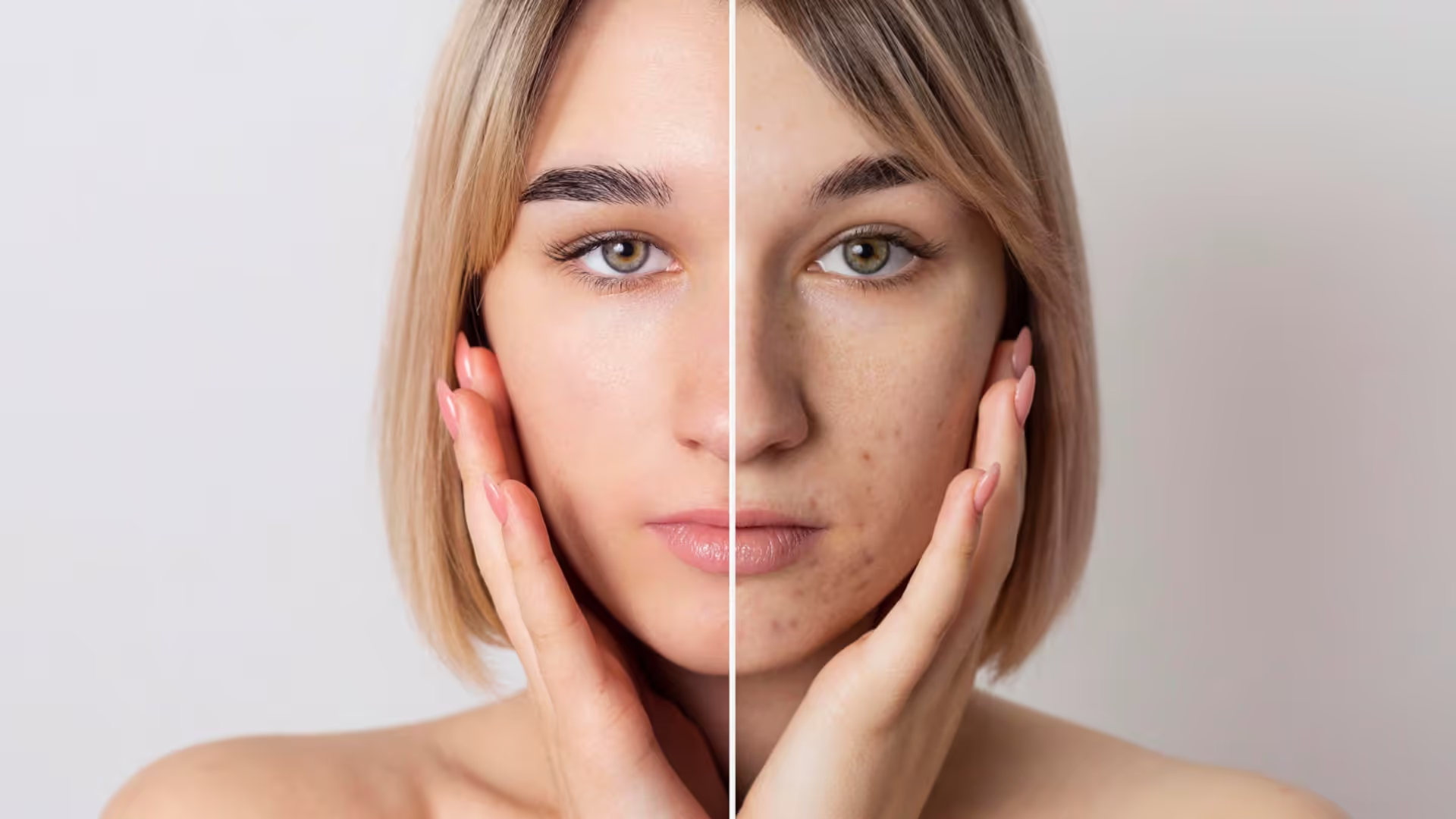
- improve the radiance of the complexion
- refine skin texture
- tighten pores
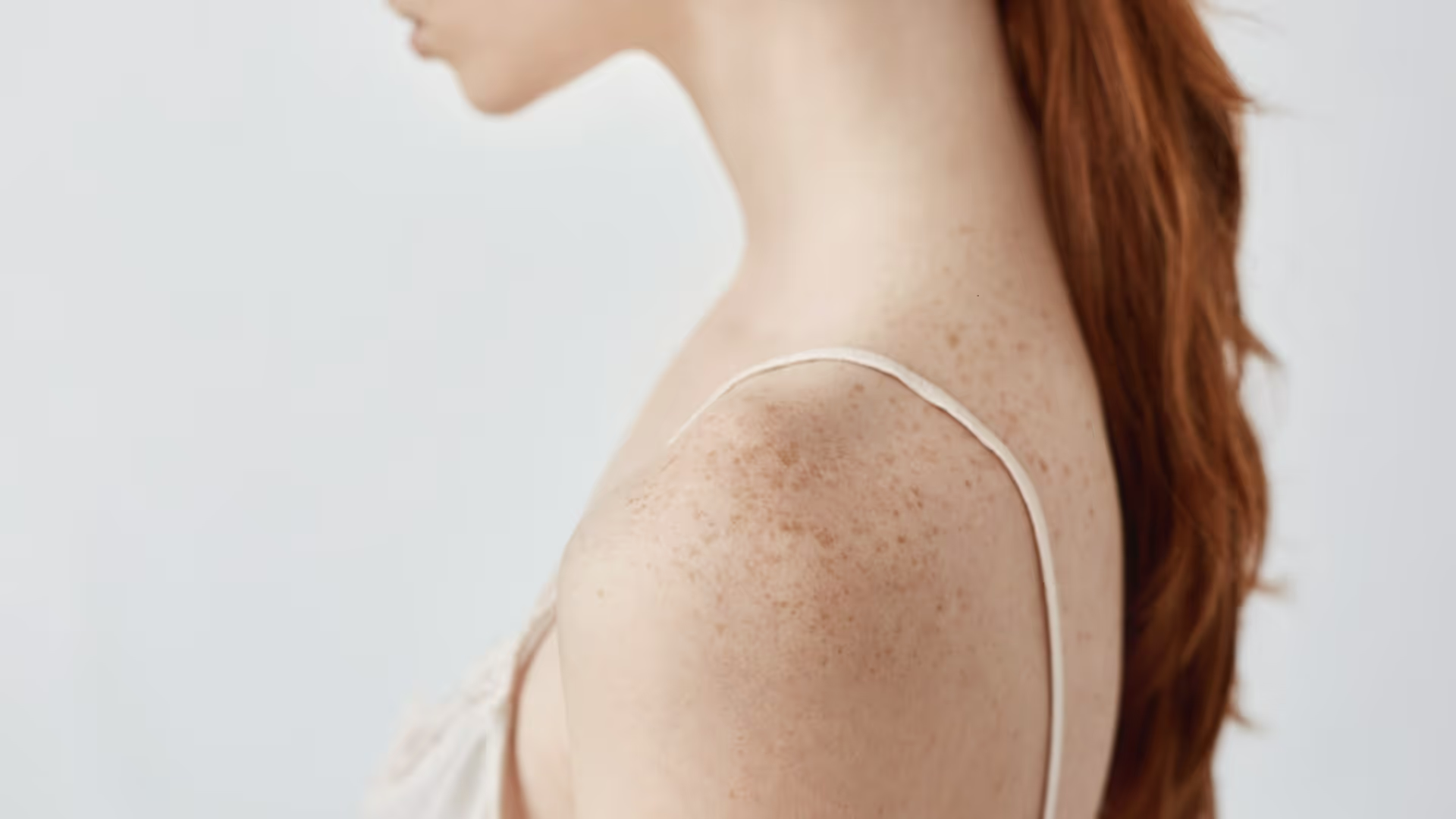
- reduce certain pigment spots
- improve acne
- reduce some superficial scars
They can be carried out alone or in combination with other dermatological treatments, according to the needs of the skin.
The different types of peeling
There are several types of peels depending on their depth of action:
Superficial peeling
Acts mainly on the epidermis. It improves the radiance and texture of the skin with little or no social exclusion.
Medium peeling
Penetrates deeper into the skin and helps to act on certain spots or blemishes that are more pronounced.
Deep peeling
Not practiced in our center, it is reserved for certain serious indications in a hospital environment.
Deep peels are generally not used in this type of treatment.
The choice of peeling depends on Indication, skin type and treatment goals.
Course of a session
Peeling sessions are carried out In the doctor's office.
The duration of a session is generally 15 to 30 minutes, depending on the surface to be treated and the type of peel used.
According to the indication, a series of 2 to 8 sessions can be proposed, spaced apart from 1 to 4 weeks.
Maintenance care may then be recommended in order to prolong the results.
Aftermath of treatment
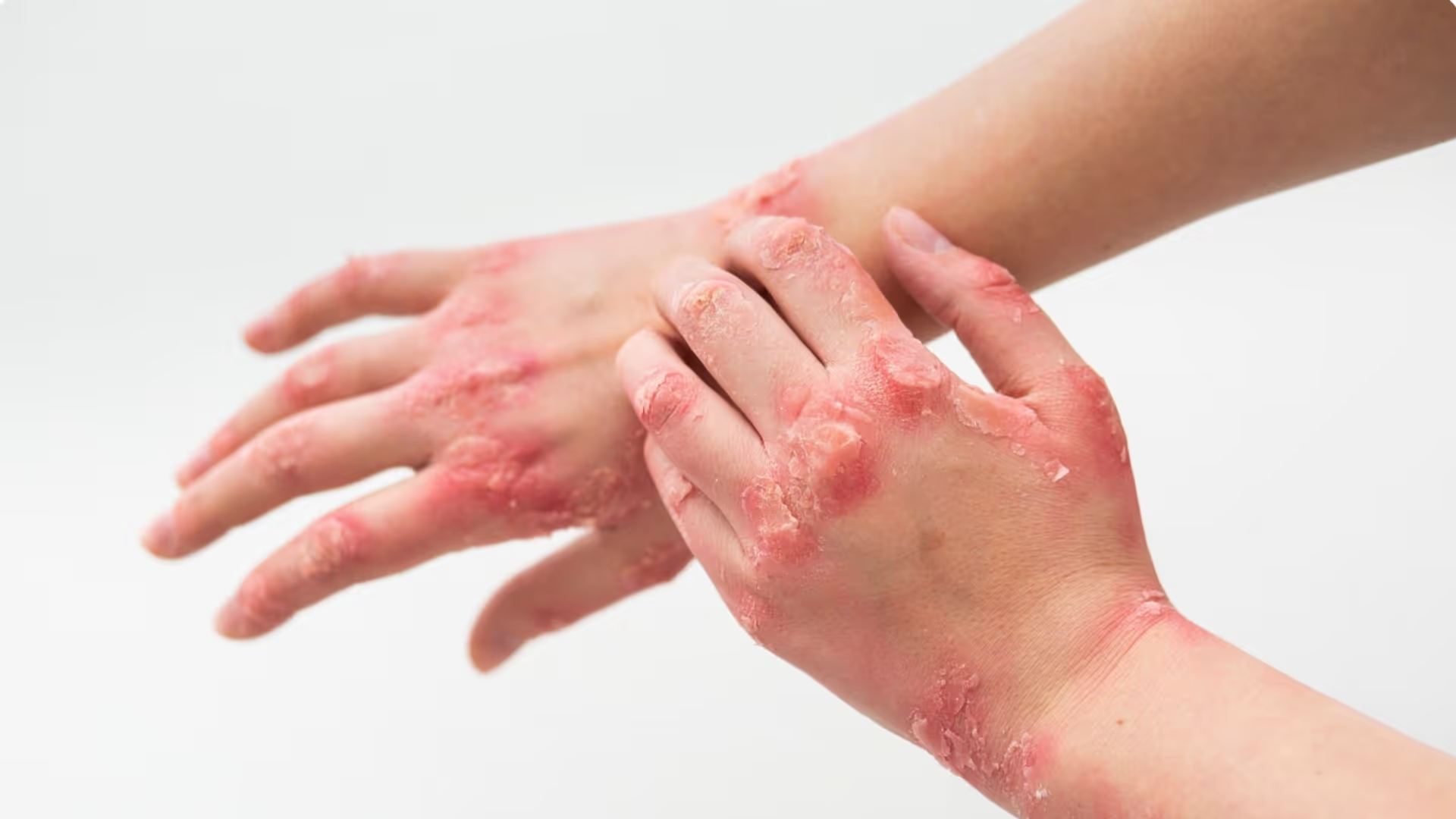
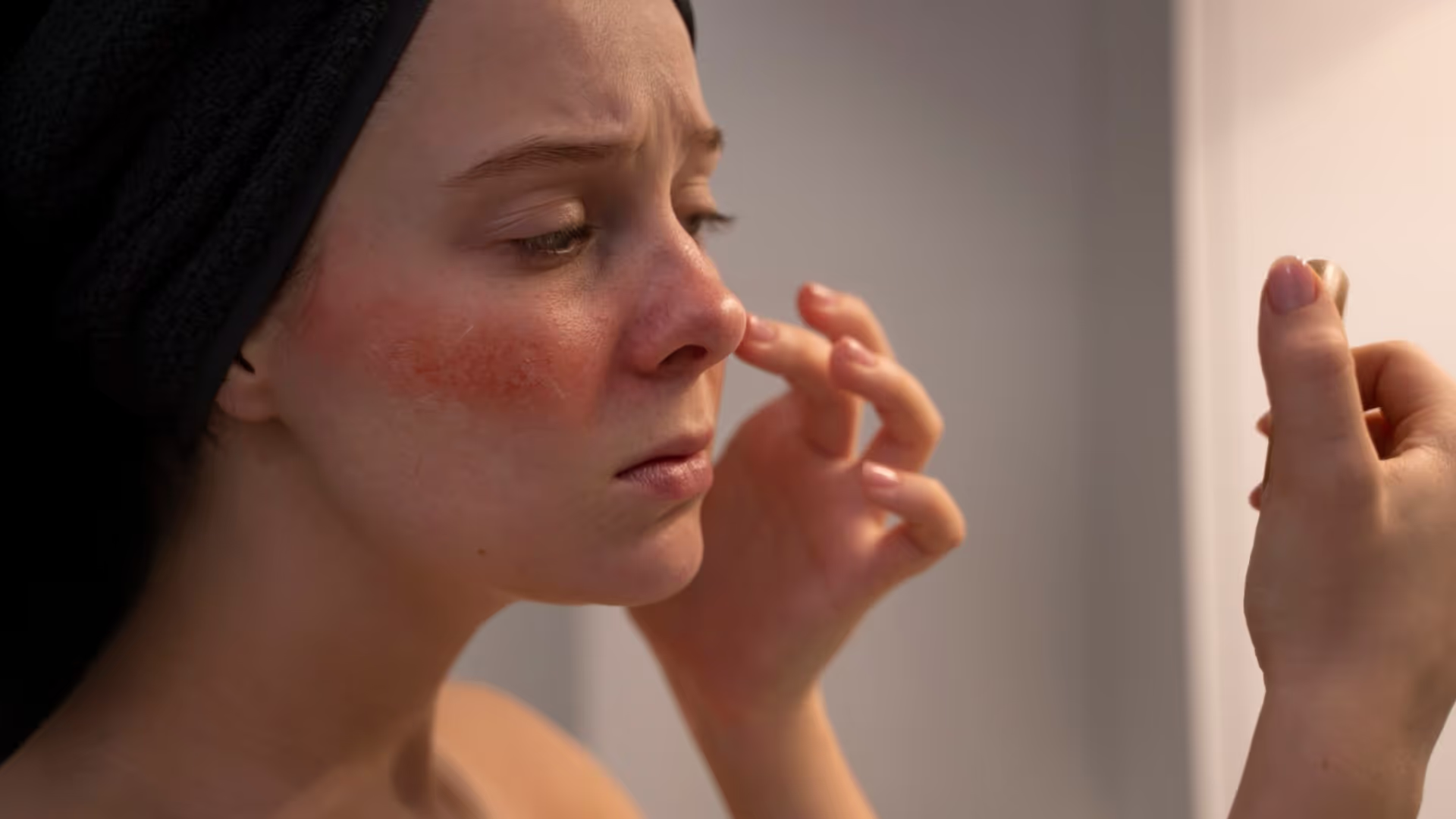
After the session, some skin reactions are normal:
- slight redness
- sensation of heat or tingling
- peeling of the skin for a few days
The duration of desquamation may vary from 2 to 10 days depending on the type of peeling performed.
Precautions to be respected
In order to limit the risks of complications, certain precautions are necessary:
- avoid sun exposure at least 2 weeks before and after treatment
- apply high sun protection (SPF 50+ screen) daily, renewed every 2-3 hours
- wearing a hat is recommended outside
- follow the care recommendations after the session
FAQ
Is peeling painful?
A tingling or hot sensation may be experienced during the session. It is generally well tolerated and temporary.
How many sessions are required?
A course of 2 to 8 sessions is often recommended depending on the indication and the type of skin.
Are there any consequences after the treatment?
Redness and peeling may occur for a few days. These reactions are normal and transient.
When do we see the results?
The results appear gradually over the sessions, with an improvement in the radiance and texture of the skin.
What are the precautions after a peel?
It is essential to avoid the sun, apply SPF 50+ protection and follow the recommended care after the session.