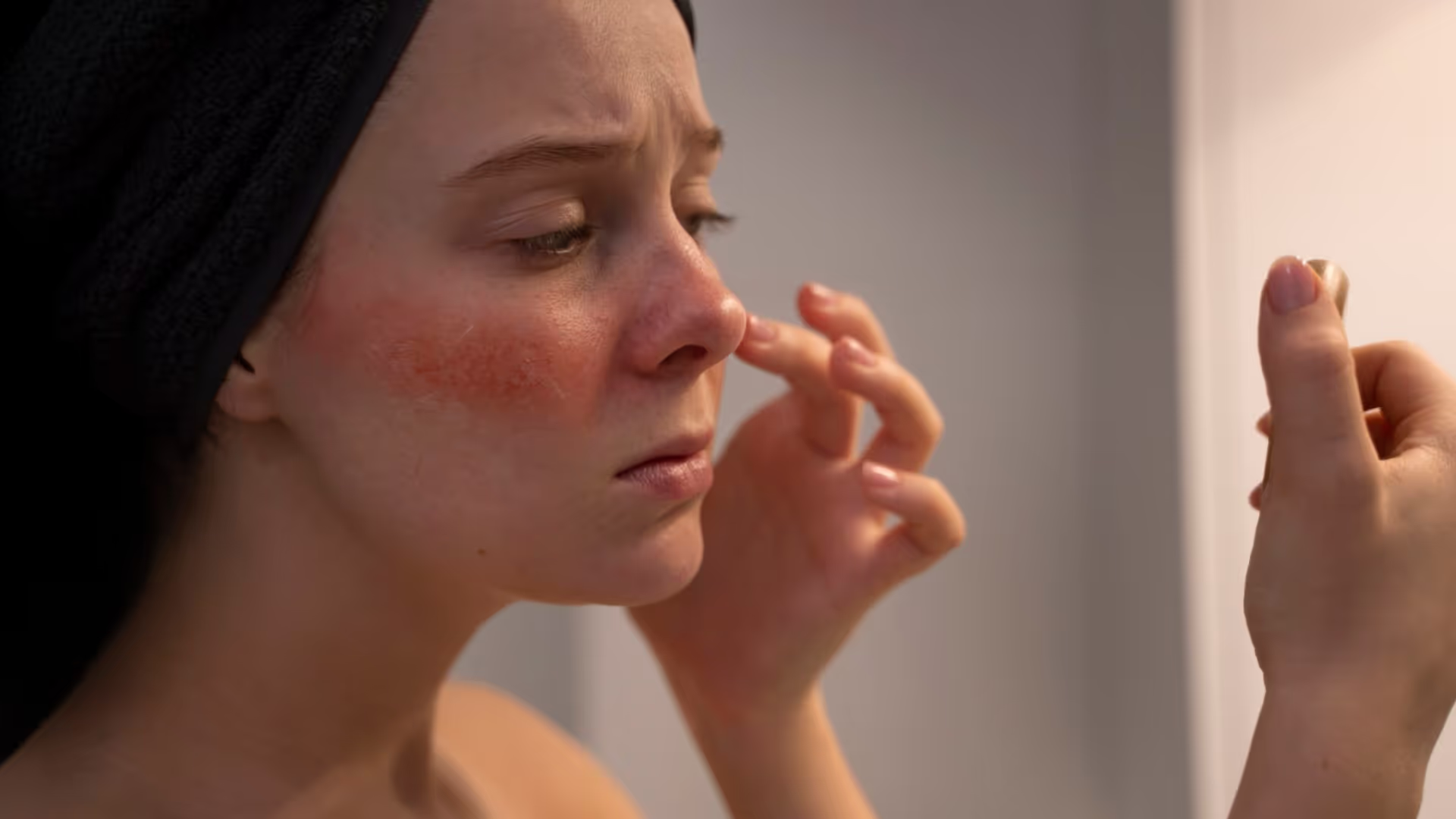
Understanding and treating acne
Acne, a very common skin problem
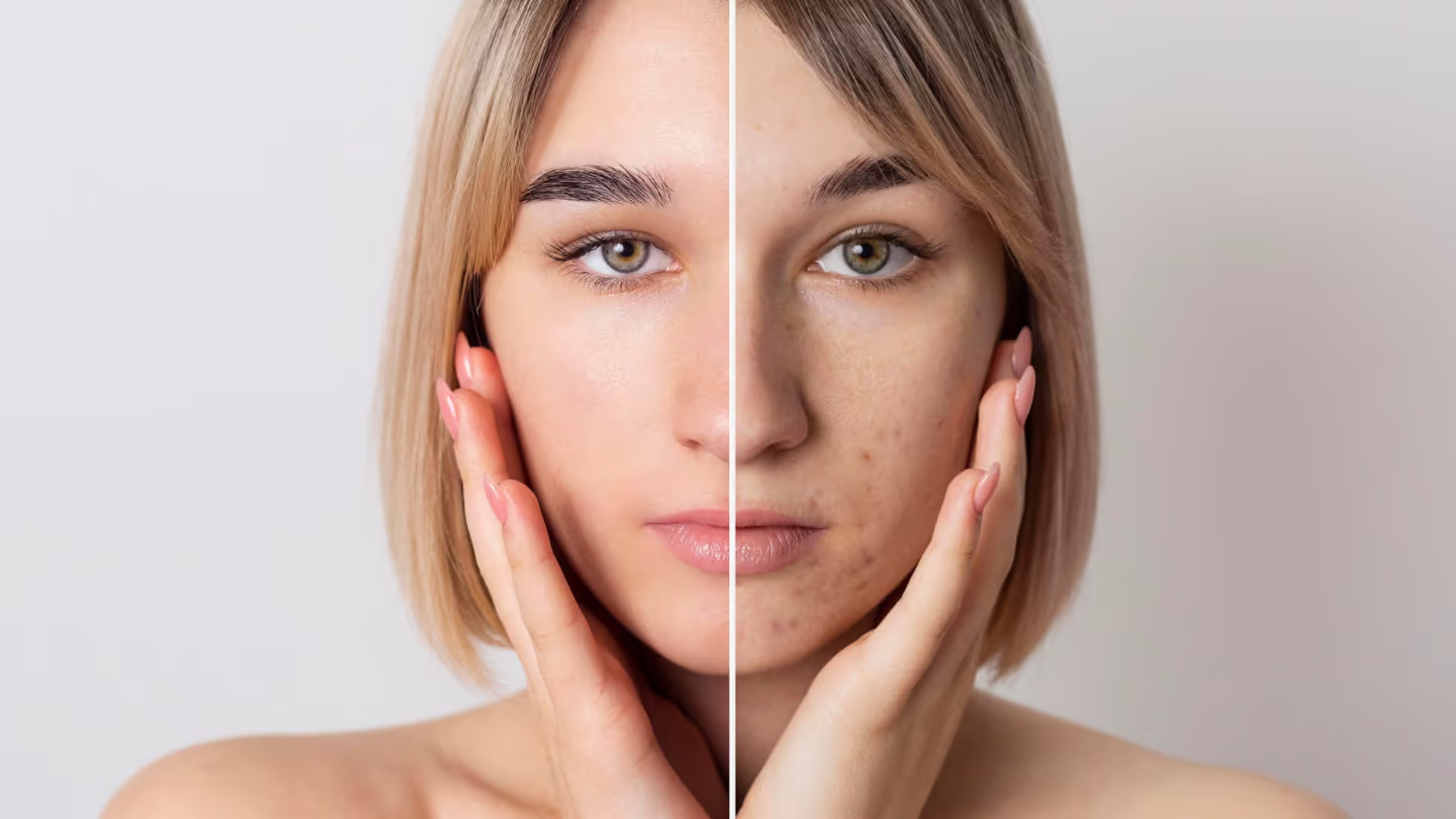
Acne is a very common skin condition, especially among adolescents. It is estimated that approximately 90% of young people present acne in a more or less marked form at the time of puberty.
For some people, it gradually goes away with age. In others, it may persist into adulthood, especially in women due to hormonal factors.
Beyond its visible manifestations, acne can have a significant impact on the quality of life :
- altered self-image
- impact on trust
- impacts on mood and social relationships
The duration and severity of acne varies between individuals, including genetic, hormonal, and skin type factors.
The different forms of acne
Acne is manifested by various types of blemishes linked to excessive sebum production and the obstruction of skin pores.
The most frequent manifestations are:
- Hyperseborrhoea : oily skin linked to excessive sebum production
- Varied injuries :
- Open comedones (black dots)
- Closed comedones (white spots)
- Papules and pustules, corresponding to inflammatory lesions
- Nodules or cysts, in more severe forms that can leave scars
Some forms of acne can also appear in specific contexts:
- Hormonal acne, common in adult women
- Exogenous acne, linked to the use of unsuitable cosmetics
- Medicated acne, associated with certain treatments
- Acne rosacea, which may appear in adulthood
Each type of acne has specific characteristics and requires an adapted approach.
Care adapted to each situation
Acne treatment depends primarily on the form and severity of lesions. A personalized approach makes it possible to adapt solutions according to the skin type, age and specific needs of each person.
The treatments offered
There are several approaches that can be used to improve acne:
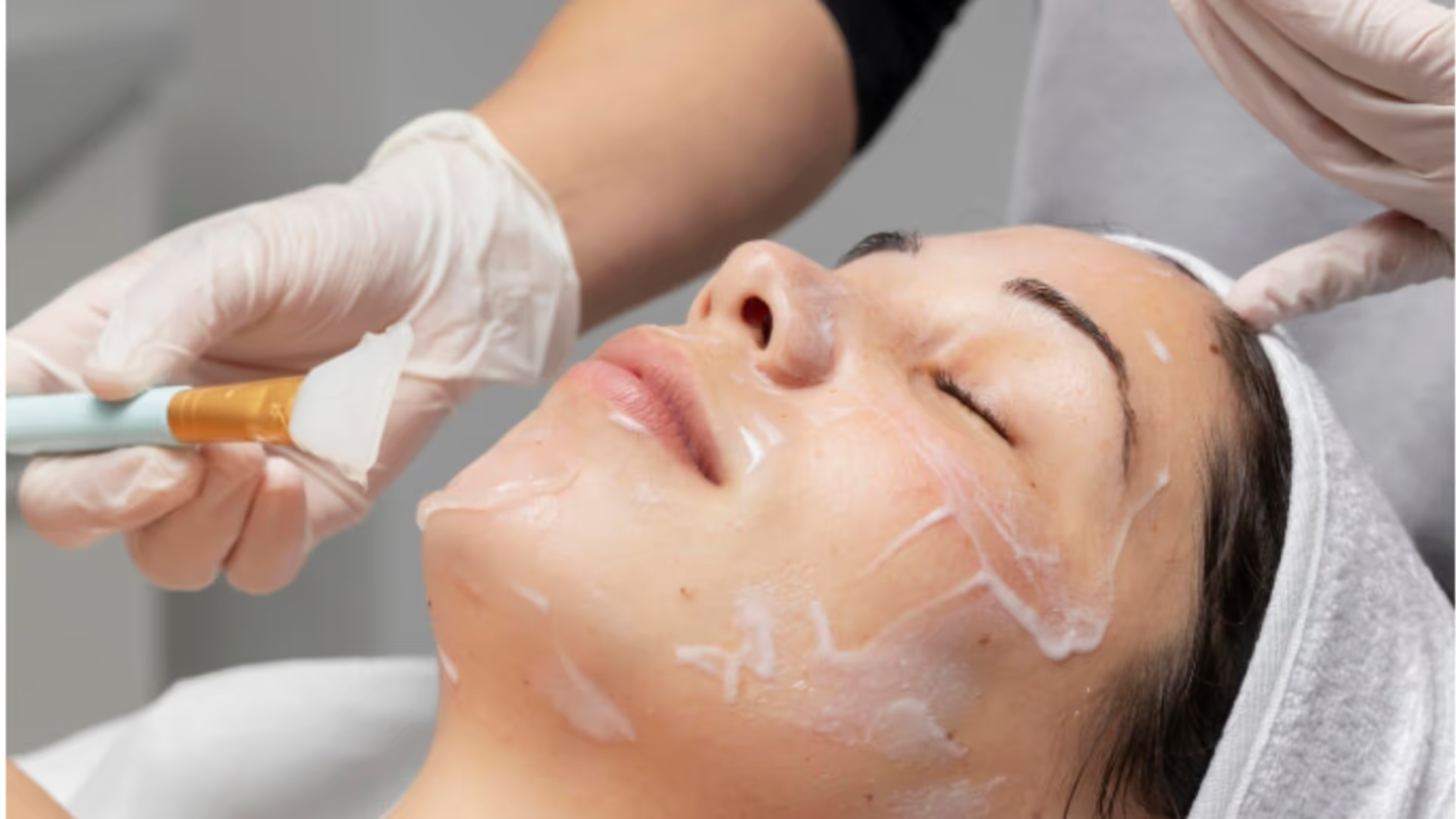
External treatments
- specific cleansers and soaps
- suitable creams and gels (retinoids, benzoyl peroxide, local antibiotics)
- treatments using targeted technologies, such as the AviClear laser in certain indications
These treatments make it possible to act directly on the skin by regulating sebum production and limiting the appearance of new lesions.
Internal treatments
- oral antibiotics (tetracyclines), prescribed over courses of 2 to 4 months (renewable)
- oral isotretinoin, reference treatment in severe or resistant forms (under strict medical supervision)
These treatments act in depth on the mechanisms of acne, in particular inflammation and sebum production.
FAQ
At what age does acne start?
Acne most often appears during puberty, but it can also develop or persist into adulthood.
Can acne scars be avoided?
An adapted treatment implemented early enough can limit the risks of permanent scars.
Does diet influence acne?
The influence of food is still debated. A balanced diet and a healthy lifestyle are generally recommended.
Are hormonal treatments systematic?
No They are only available in certain forms of hormonal acne, especially in women.