What is a pigmented lesion?
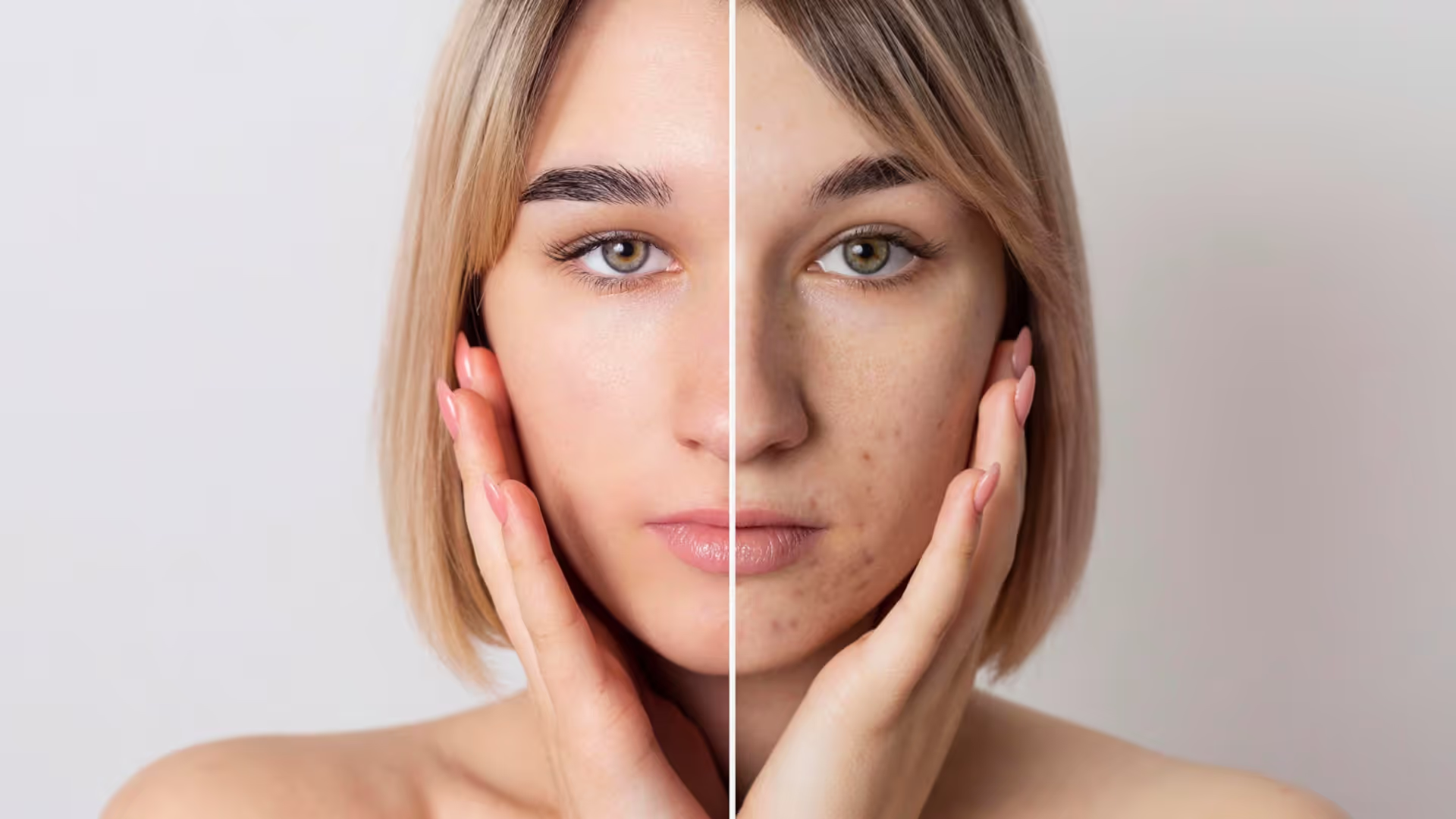
Pigmented lesions correspond to areas of skin with a higher concentration of melanin, the pigment responsible for coloring the skin.
These spots can appear for a variety of reasons, including:
- skin aging
- repeated sun exposure
- certain inflammatory skin reactions
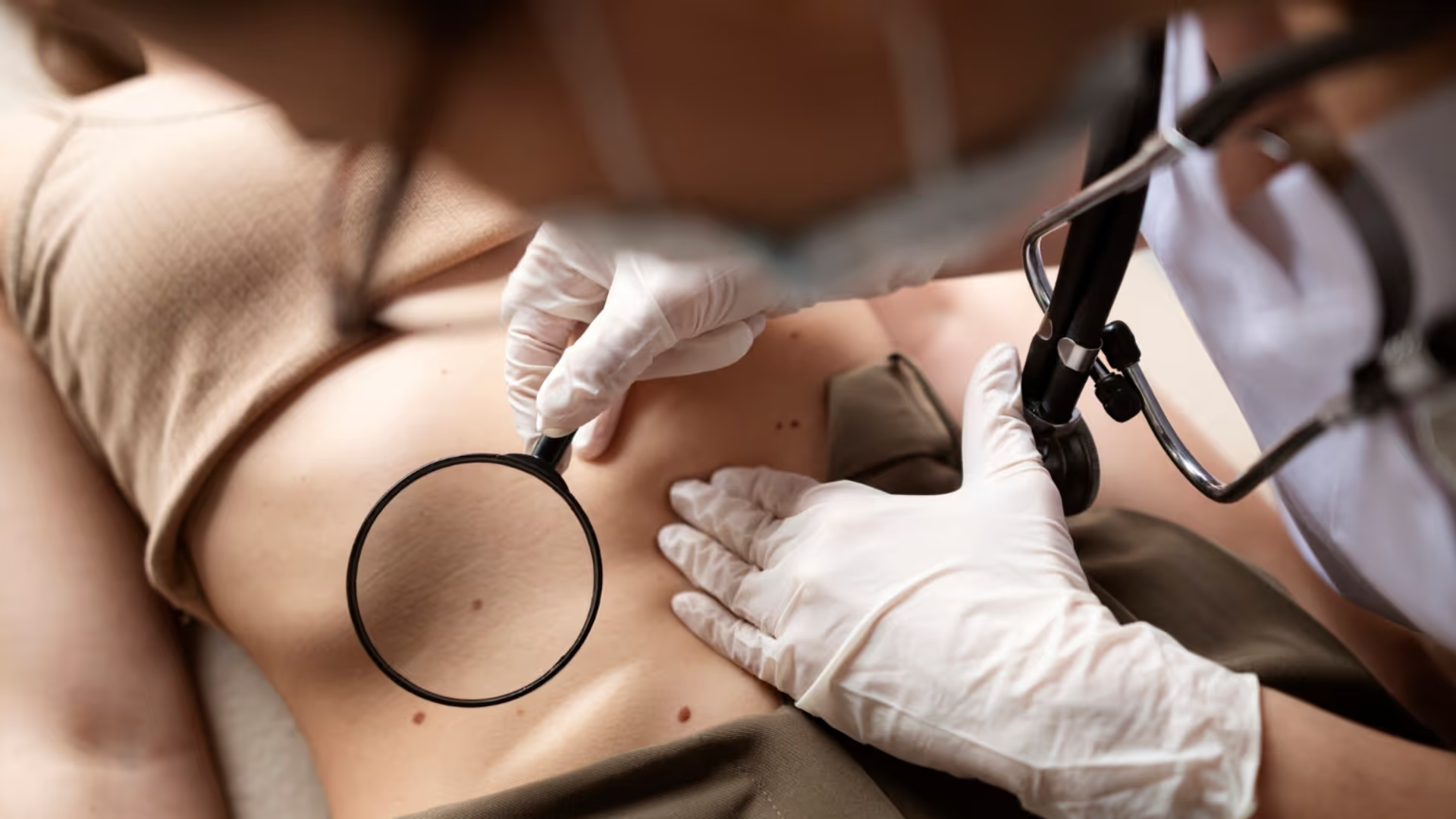
Before any treatment, an accurate dermatological diagnosis is essential in order to confirm the benign nature of the lesion.
What injuries can be treated?
Laser treatment is particularly indicated for certain benign pigmented lesions, including:
- solar lentigos (sun spots or age spots)
- age spots on the face, hands or neckline
- certain cutaneous hyperpigmentations
Other types of pigmentation, such as Becker's nevus, Ota's nevus, café-au-lait spots or certain post-inflammatory hyperpigmentations, can also be discussed on a case-by-case basis.
Some specific pigmentations, such as Melasma, require specific care.
Principle of laser treatment
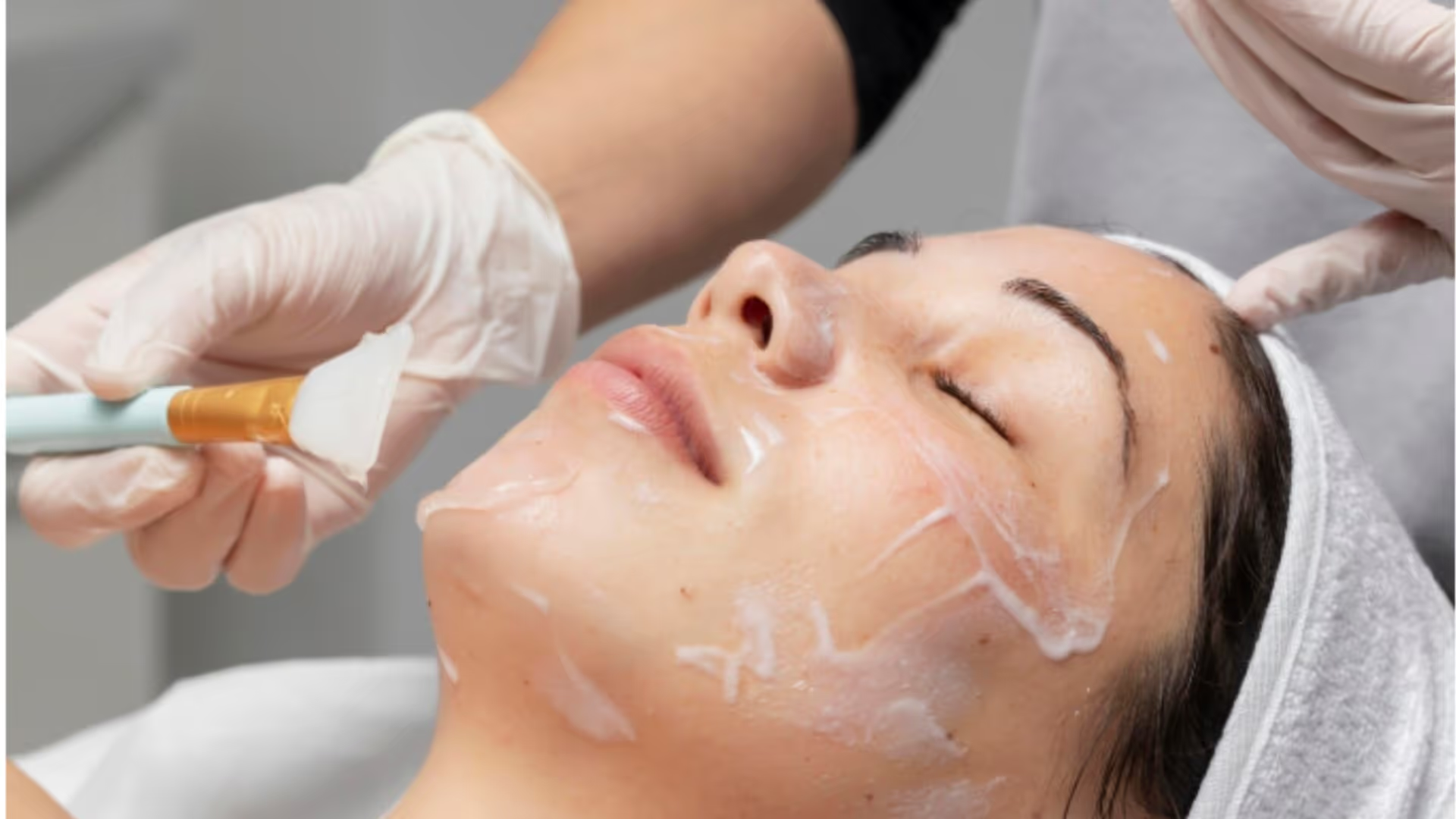
The treatment is based on the use of a specific laser wavelength, absorbed by the melanin present in the skin.
Light energy selectively targets this pigment and allows fragment excess melanin, while maintaining the surrounding tissue.
Thanks to extremely short pulses, the treatment acts precisely on pigmented areas.
Aftermath of treatment
After the session, several skin reactions may occur:
- pigmented spots become temporarily darker
- small scabs may form
- slight redness may appear
These reactions are normal and disappear gradually.
It is generally necessary 6 to 8 weeks so that the treated pigment is eliminated by the body and the final result is visible.
Important precautions
In order to optimize results and avoid complications, certain precautions must be respected:
- avoid sun exposure at least two weeks before and after the session
- apply high sun protection during outdoor activities
- do not tear off any scabs
It is also important to report the intake of photosensitizing drugs or substances prior to treatment.
FAQ
Is the treatment painful?
The treatment is generally well tolerated. A slight sensation of heat or tingling may be experienced during the session.
How many sessions are required?
The number of sessions depends on the type of lesion, its depth and location. One to several sessions may be required.
When do we see the results?
The results appear gradually, usually after 6 to 8 weeks, as the body eliminates the pigment.
Are there any side effects?
The spots may darken temporarily, with possible appearance of scabs or redness. These reactions are normal and transient.
What are the precautions after treatment?
It is essential to avoid sun exposure, to apply SPF 50+ protection and to not scratch scabs.