What is psoriasis?
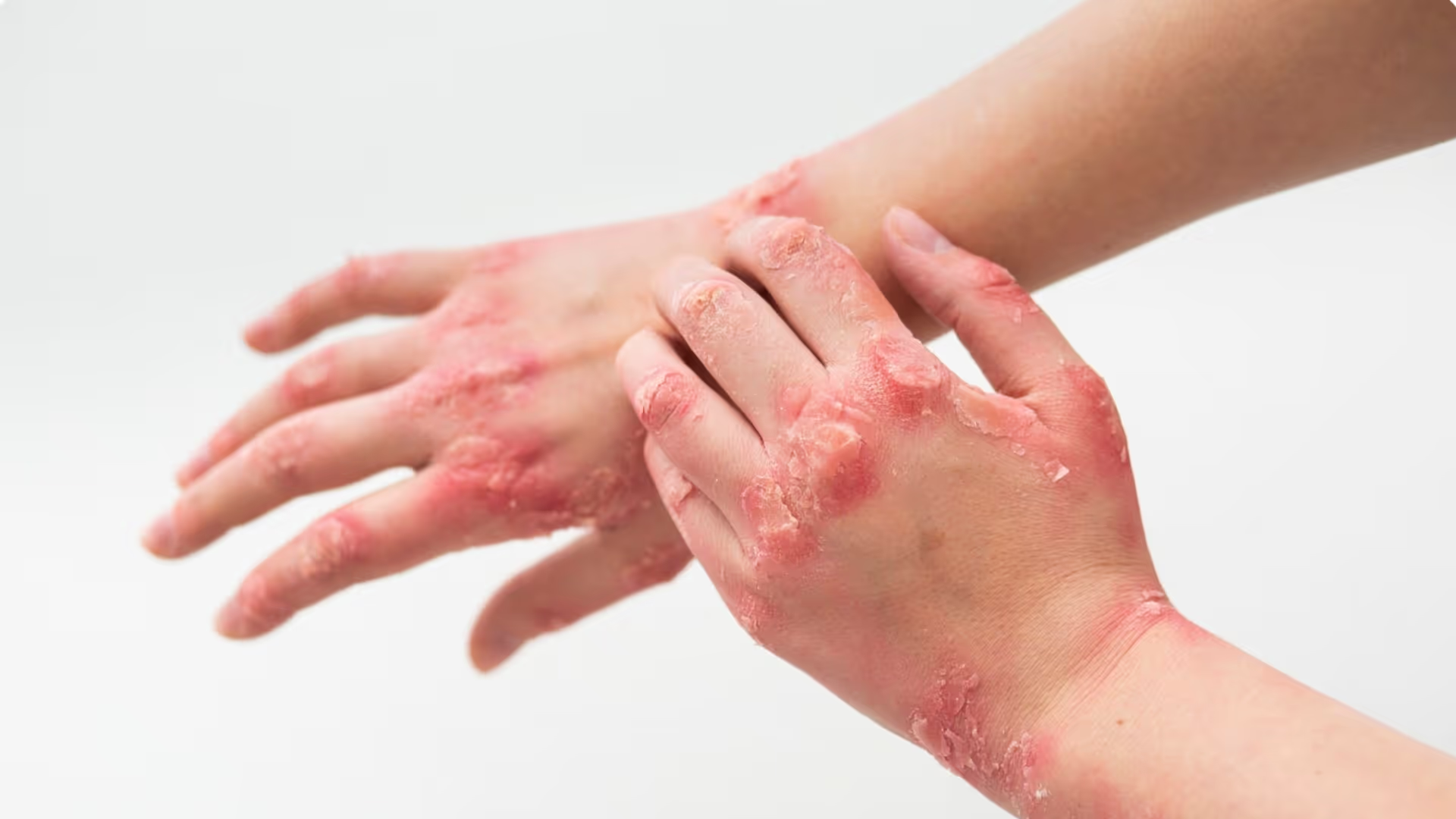
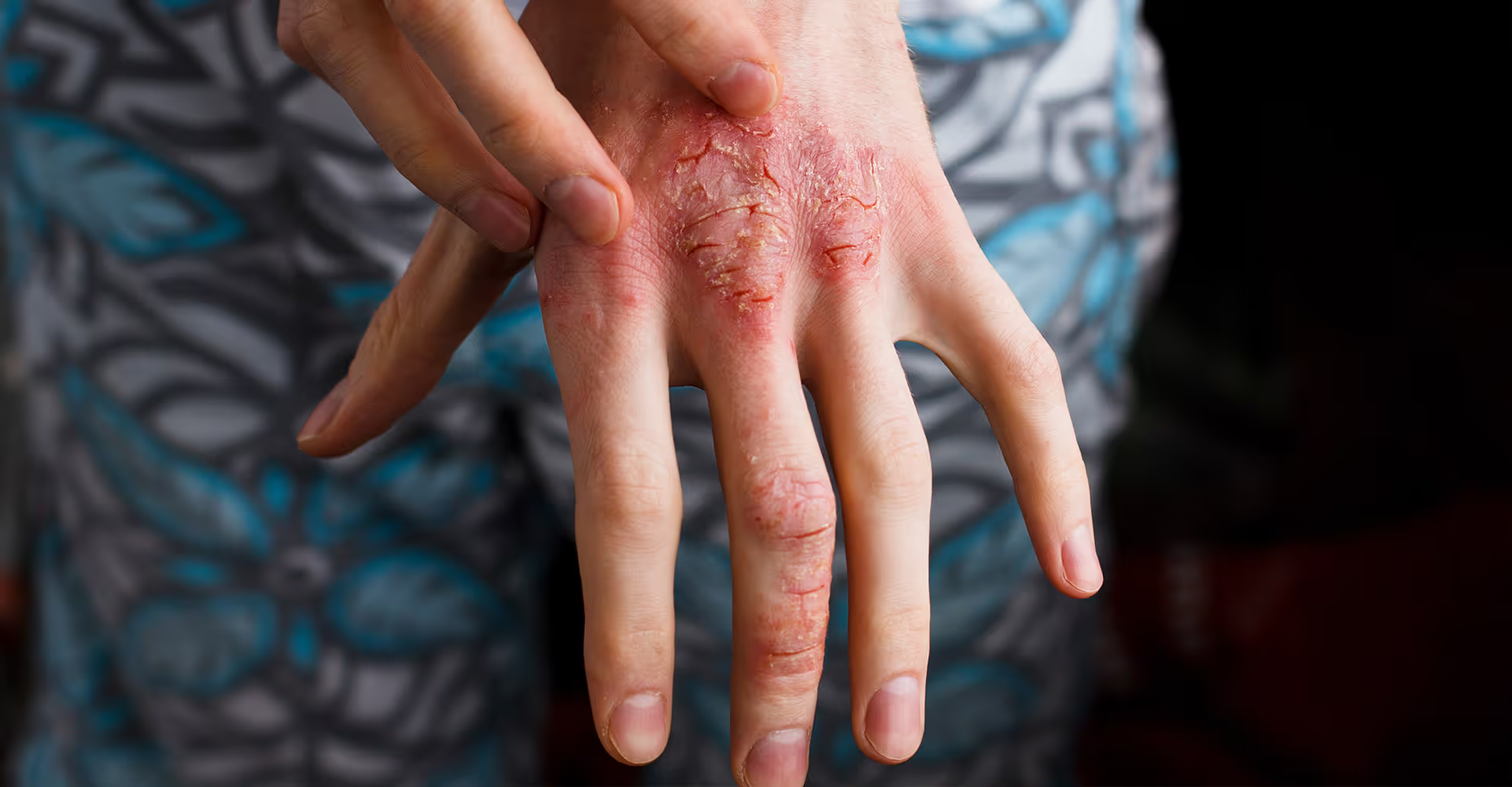
Psoriasis is a chronic inflammatory skin disease affecting approximately 4% of the population. Non-contagious, it manifests as red plaques covered with white scales, most often on the elbows, knees, scalp or lower back.
The disease generally progresses in flare-ups, interspersed with periods of remission, and can appear at any age, most often between 20 and 40 years old.
In some cases, psoriasis can also affect the joints (approximately 10% of patients): this is called psoriatic arthritis.
Why does psoriasis appear?
Psoriasis results from an immune system dysfunction that strongly accelerates skin cell renewal. Normally, skin cells renew over several weeks. In psoriasis, this process can occur within days, causing an accumulation of cells on the skin surface and the formation of characteristic plaques.
Certain factors can trigger or aggravate flare-ups:
- stress
- certain infections (particularly throat infections)
- Skin trauma
- Certain medications
How is psoriasis severity assessed?
Dermatologists often use an indicator called the PASI score (Psoriasis Area and Severity Index). This score evaluates the extent and severity of lesions.
- NOT < 10: mild to moderate psoriasis
- PASI > 10: moderate to severe psoriasis
This assessment guides the choice of the most appropriate treatment.
The different psoriasis treatments
Local Treatments
For mild forms, topical treatments are the first approach. They reduce inflammation and slow skin cell renewal.
The main treatments are:
- Topical corticosteroids
- Vitamin D3 derivatives (often combined with corticosteroids)
Regular application and dermatological follow-up are essential for good results.
Phototherapy
When psoriasis is more extensive or resistant to local treatments, narrow-band UVB phototherapy (31nm) May be proposed.
This technique uses controlled ultraviolet light acting directly on skin cells. Sessions Are Short and Generally Performed 2 to 3 times per week for several weeks.
Phototherapy is particularly effective for certain forms of psoriasis, especially Guttate psoriasis, often triggered by an infection such as a throat infection.
Systemic treatments
For more severe forms, medications taken orally or by injection may be prescribed.
Treatments used include: methotrexate, cyclosporine, acitretin, dimethyl fumarate, apremilast.
These treatments require Regular Follow-up to monitor their effects and tolerance.
Biotherapies
Biotherapies represent an important advance in managing severe psoriasis. Administered by injection, they precisely target certain inflammatory pathways involved in the disease.
Molecules used include: adalimumab, ustekinumab, secukinumab, secukinumab, ixekizumab, bimekizumab, guselkumab, or risankizumab.
These treatments are generally reserved for severe forms that do not respond to other therapeutic approaches.
A chronic disease requiring follow-up
Psoriasis is a chronic disease. Treatments effectively control symptoms, but stopping treatment may lead to a gradual recurrence of plaques.
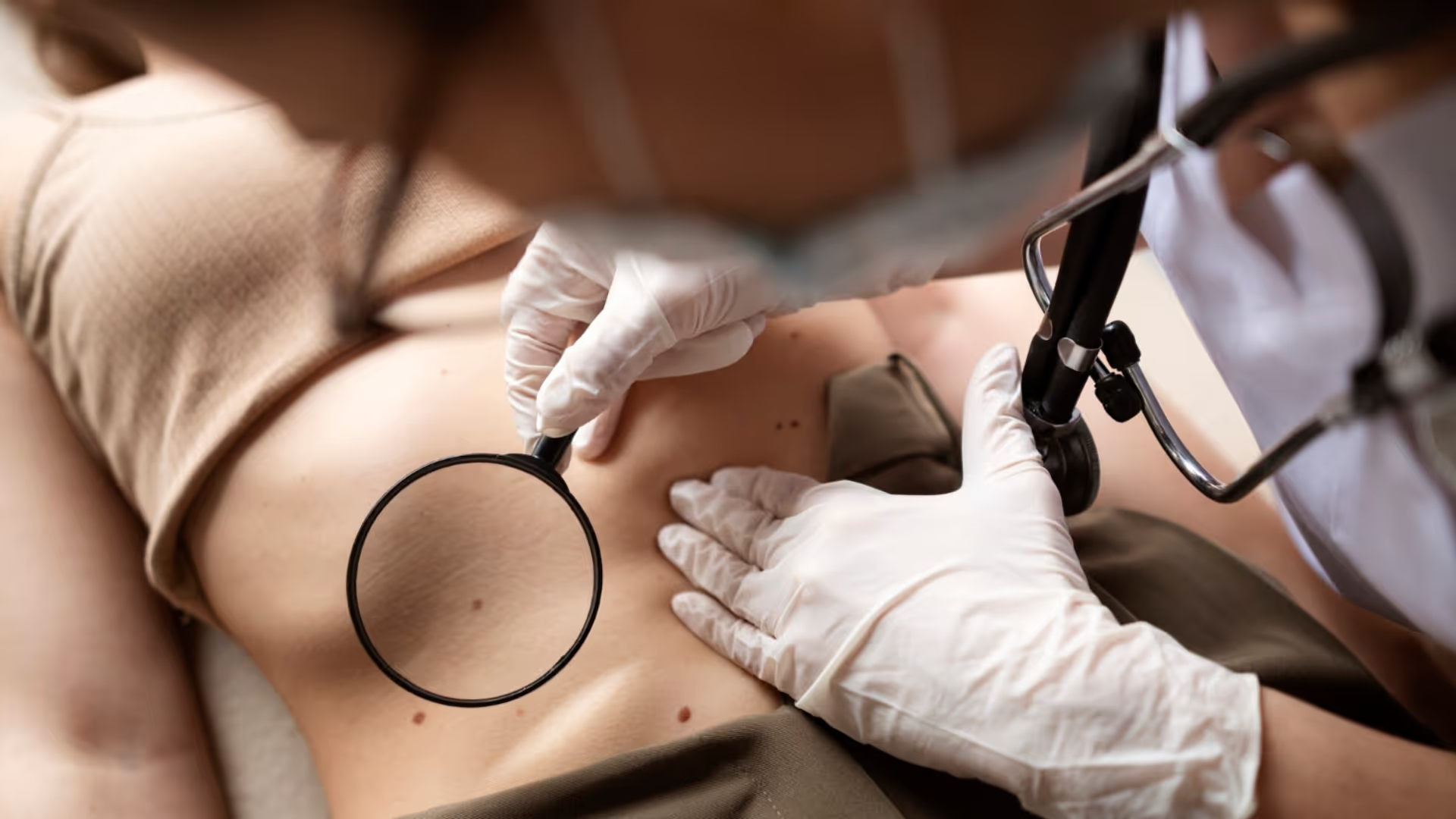
Regular follow-up with a dermatologist helps adapt treatments and optimize long-term management.
FAQ
Is psoriasis contagious?
No. It is a chronic inflammatory disease that is not transmitted from person to person.
What are the most common signs?
Red plaques covered with white scales, often accompanied by itching.
How is psoriasis treated?
Depending on severity: local treatments, phototherapy, systemic medications or biotherapies.
Can flare-ups be prevented?
It is advisable to limit stress, avoid skin trauma and follow regular dermatological treatment.