Why do a dermatological check-up?
The skin is directly exposed to the environment and can reflect numerous conditions, whether cutaneous or sometimes linked to other pathologies.
A dermatological examination makes it possible to assess the condition of the skin, mucous membranes, nails and hair, and to detect possible anomalies.
Early detection of certain skin lesions, in particular skin cancers, allows fast and effective care.
In which cases should you consult?
A dermatological check-up is recommended in particular if:
- a mole changes its appearance
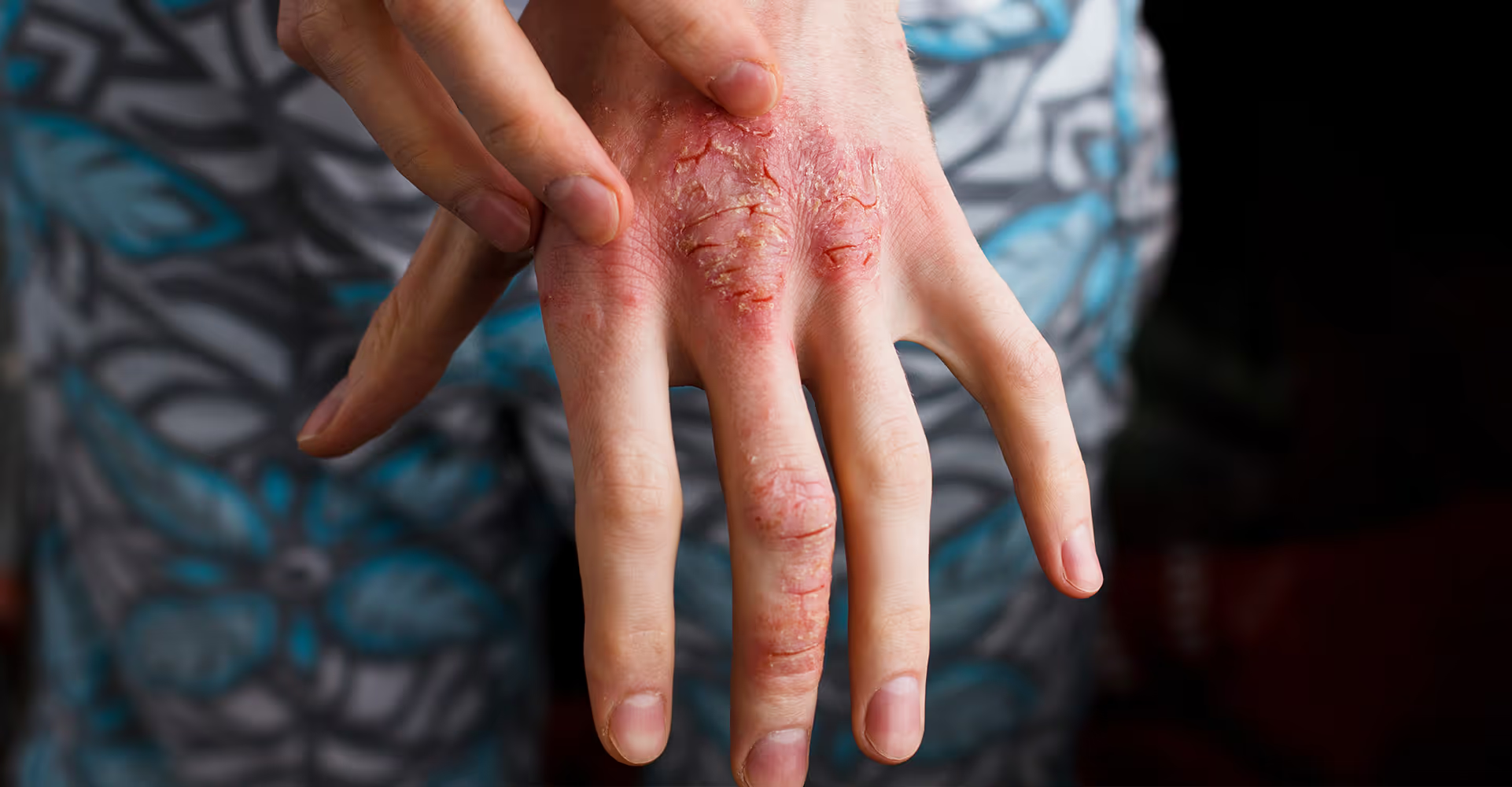
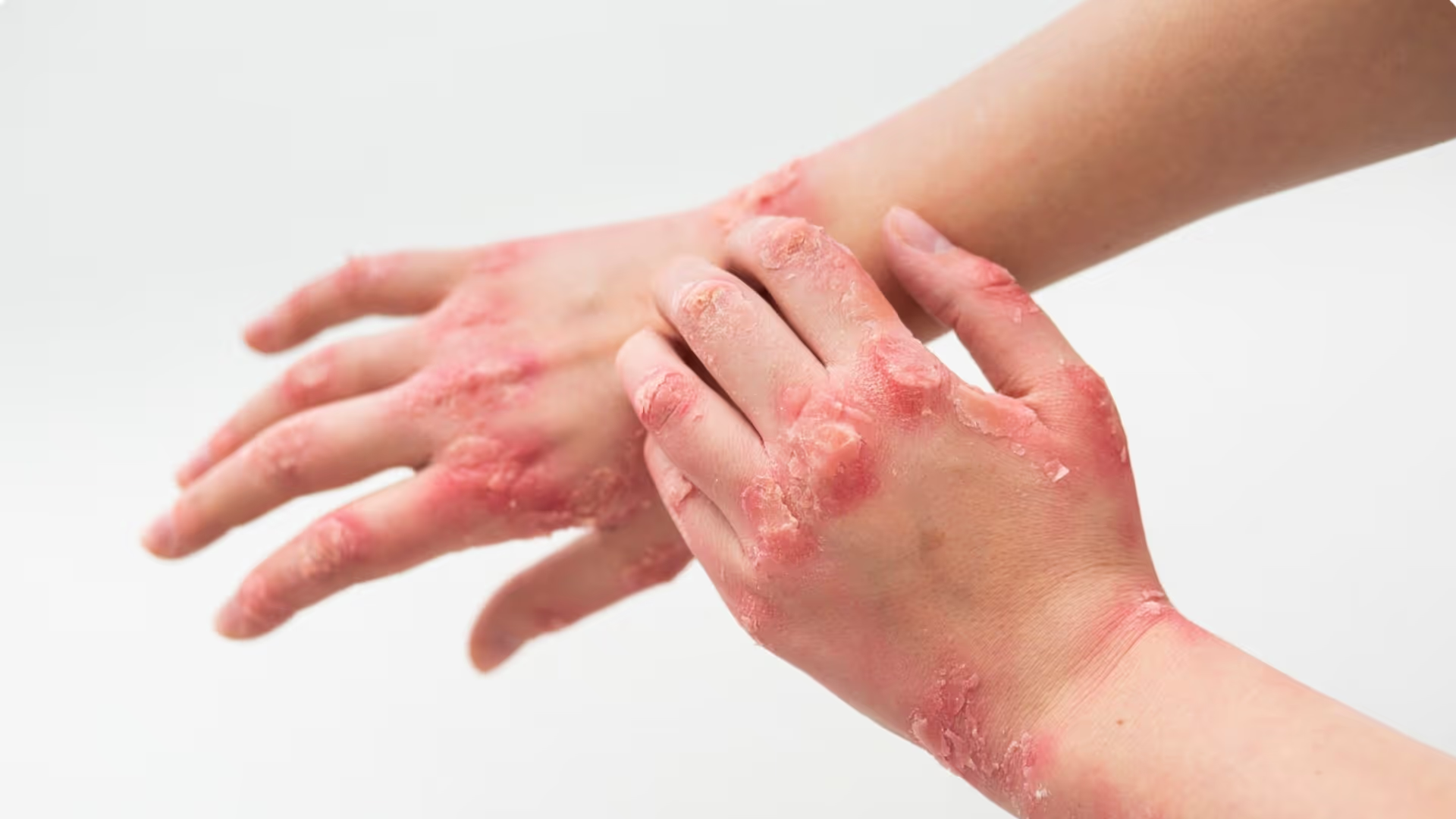
- a skin lesion appears or evolves
- a pimple has persisted or has been bleeding for several weeks
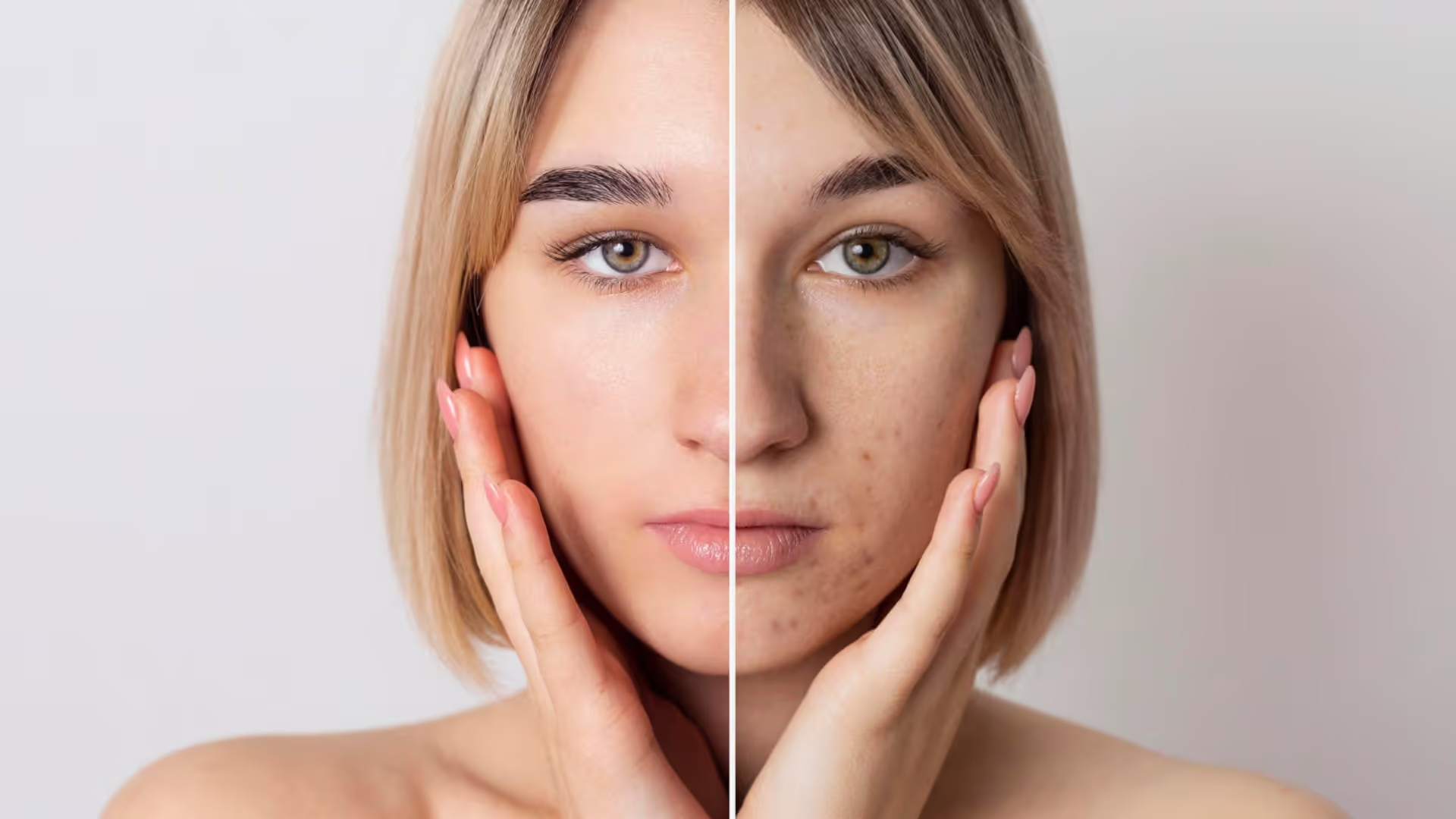
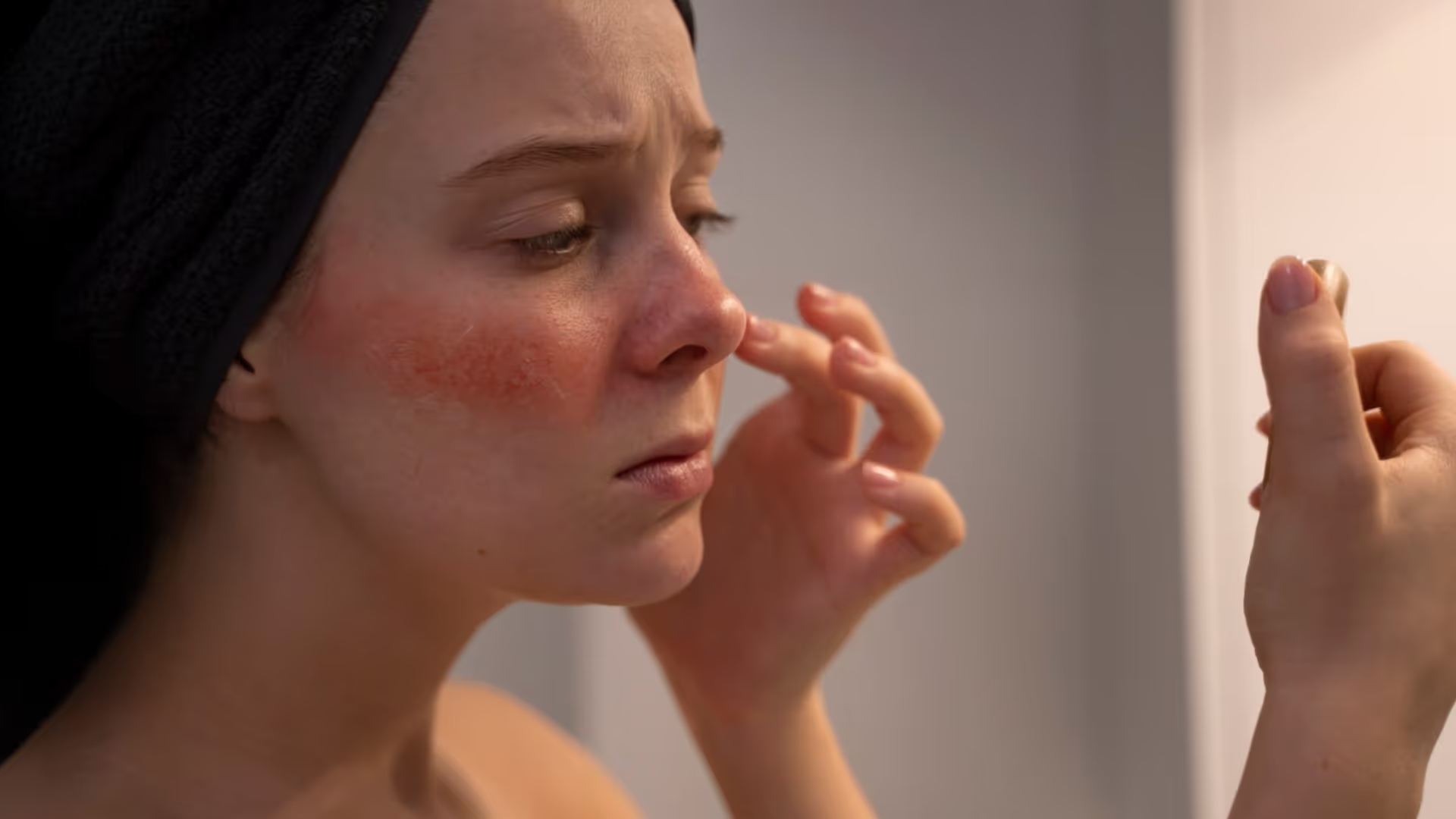
- facial redness persists
- you want to carry out a preventive check of your skin
Examples of common situations
Modified birthmark
If a mole changes in size, shape or color, it is important to consult quickly in order to rule out a suspicious lesion.
Persistent skin injury
A lesion or “pimple” that has not healed or has been bleeding for more than Three weeks should be examined by a dermatologist in order to assess its nature.
Persistent redness
Persistent redness can have a variety of causes. An accurate diagnosis makes it possible to propose an appropriate treatment, which may include local care or laser treatments depending on the case.
How does the exam take place?
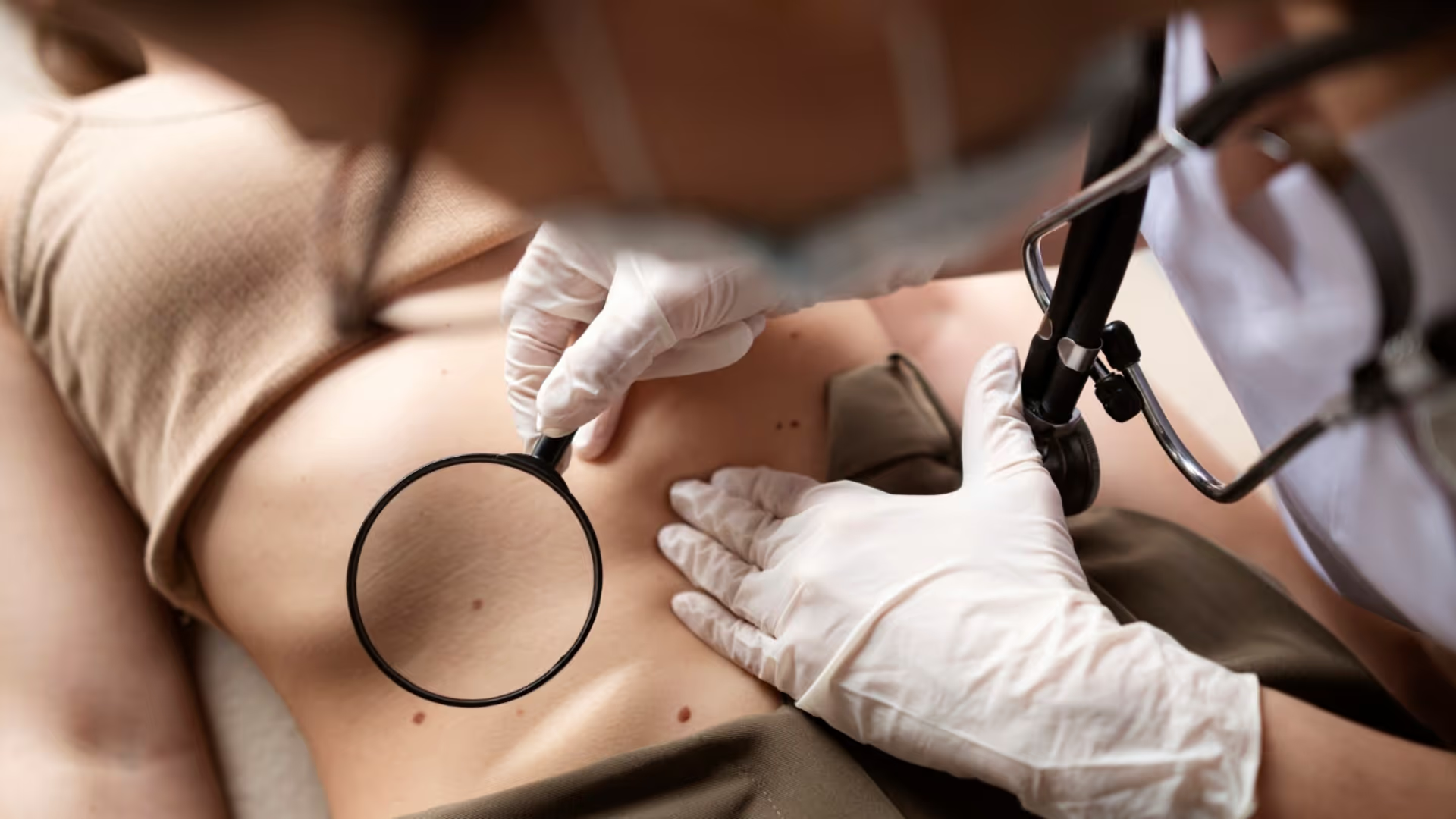
The dermatologist examines the entire skin and any lesions using a specialized clinical examination.
Depending on the situation, additional examinations may be proposed, for example:
- dermoscopy (detailed examination of skin lesions)
- skin biopsy if necessary
- referral to a specific treatment
The importance of screening
Some skin lesions may be benign, but others may correspond to pathologies requiring rapid management.
A regular dermatological check makes it possible toidentify skin abnormalities early and to prevent some lesions from going unnoticed.
FAQ
How often should a dermatological check-up be done?
An annual check-up is generally recommended, especially in the case of numerous moles or a personal or family history.
Is the check-up painful?
No, the exam is completely painless. It is based mainly on the clinical observation of the skin.
Is there a need for preparation before the consultation?
It is advisable not to wear makeup or nail polish in order to facilitate a complete examination of the skin and nails.
Can skin cancer be detected during a check-up?
Yes, early detection of skin cancers is one of the main objectives of this examination.
What happens if a suspicious lesion is detected?
Additional examinations may be proposed, such as a dermoscopy or a biopsy, in order to confirm the diagnosis and guide management.