What is photodynamic therapy?
La photodynamic therapy (PDT) — Photodynamic Therapy — is a technique used in dermatology which consists in applying to the skin a photosensitizing substance, then activated by a specific light source.
This activation causes targeted biochemical reactions in the skin allowing:
- The destruction of tumor cells
- The stimulation of the production of collagen and elastic fibers
This method thus makes it possible to treat certain skin lesions in a targeted and non-invasive.
What lesions can be treated?
PDT is primarily used to treat:
- The actinic keratoses (precancerous lesions linked to the sun)
- some superficial cutaneous carcinomas
This treatment is particularly interesting when:
- the lesions are Numerous
- The area to be treated is stretch
- one surgery or radiation therapy would be too invasive
Treatment process
Treatment usually takes place in one to two sessions, depending on the nature and extent of the lesions.
The session takes place in two stages:
1. Preparing the lesions
- preparing the area by curettage or excision
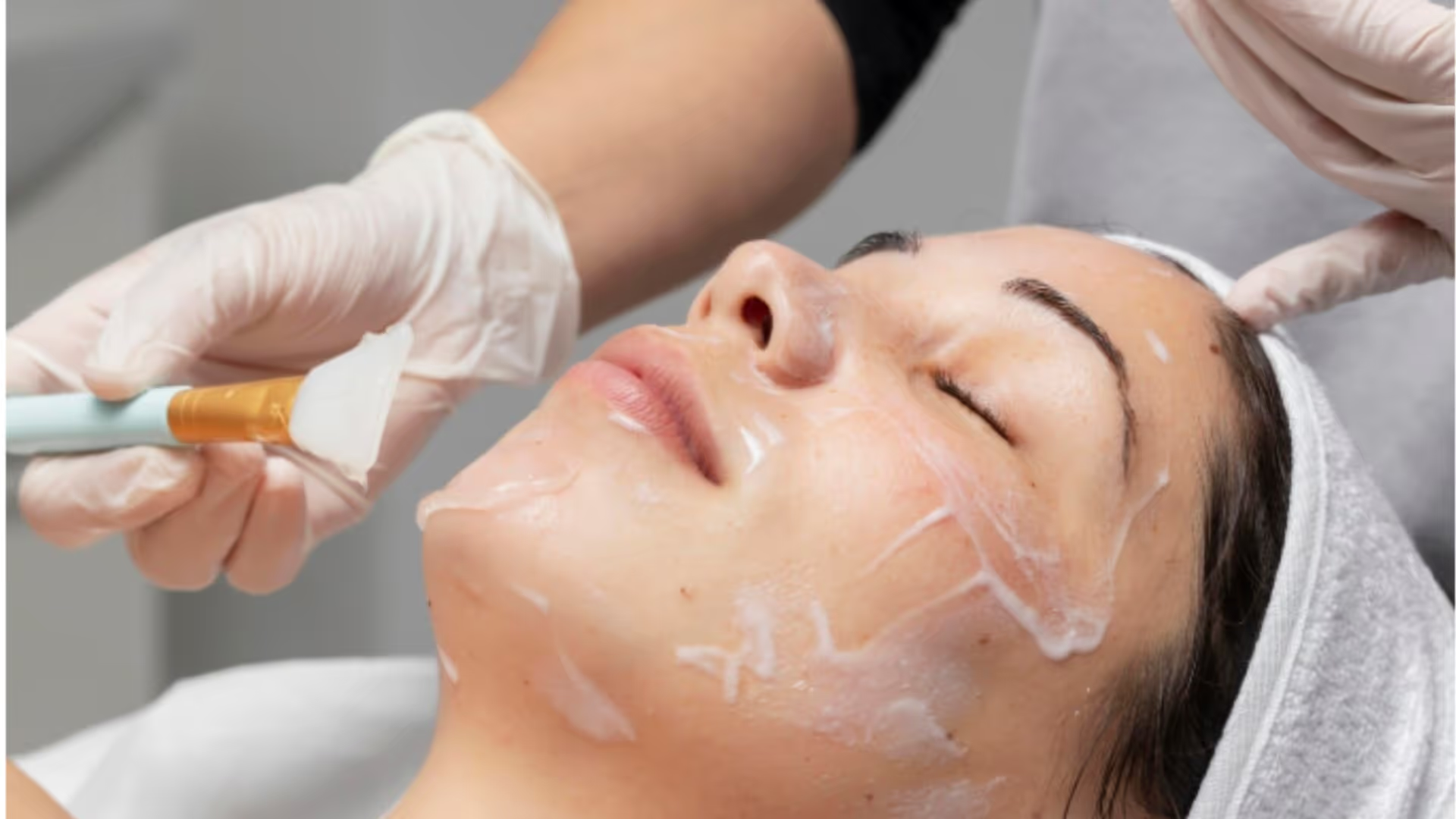
- Application of the photosensitizing product
- product action time: 30 minutes to 4 hours
2. Activation by light
The area is then exposed to a laser or LED light in order to activate the substance applied to the skin.
After the session, the treated area is usually covered by a band-aid for about 48 hours.
Precautions after treatment
After applying the photosensitizing product, the skin temporarily becomes very sensitive to light.
During 48 hours after the session, it is important to:
- Avoid all sun exposure
- limit the outdoor activities
- do not use UV booths
These precautions make it possible to avoid skin reactions linked to photosensitization.
FAQ
Is the treatment painful?
A tingling or hot sensation may be experienced during activation by light. It is generally temporary and disappears after the session.
How many sessions are required?
In general, 1 to 2 sessions are sufficient, but the number may vary depending on the type, number and extent of the lesions.
When do we see the results?
The treated lesions evolve in the days following the session, with gradual improvement over the following weeks.
Are there any side effects?
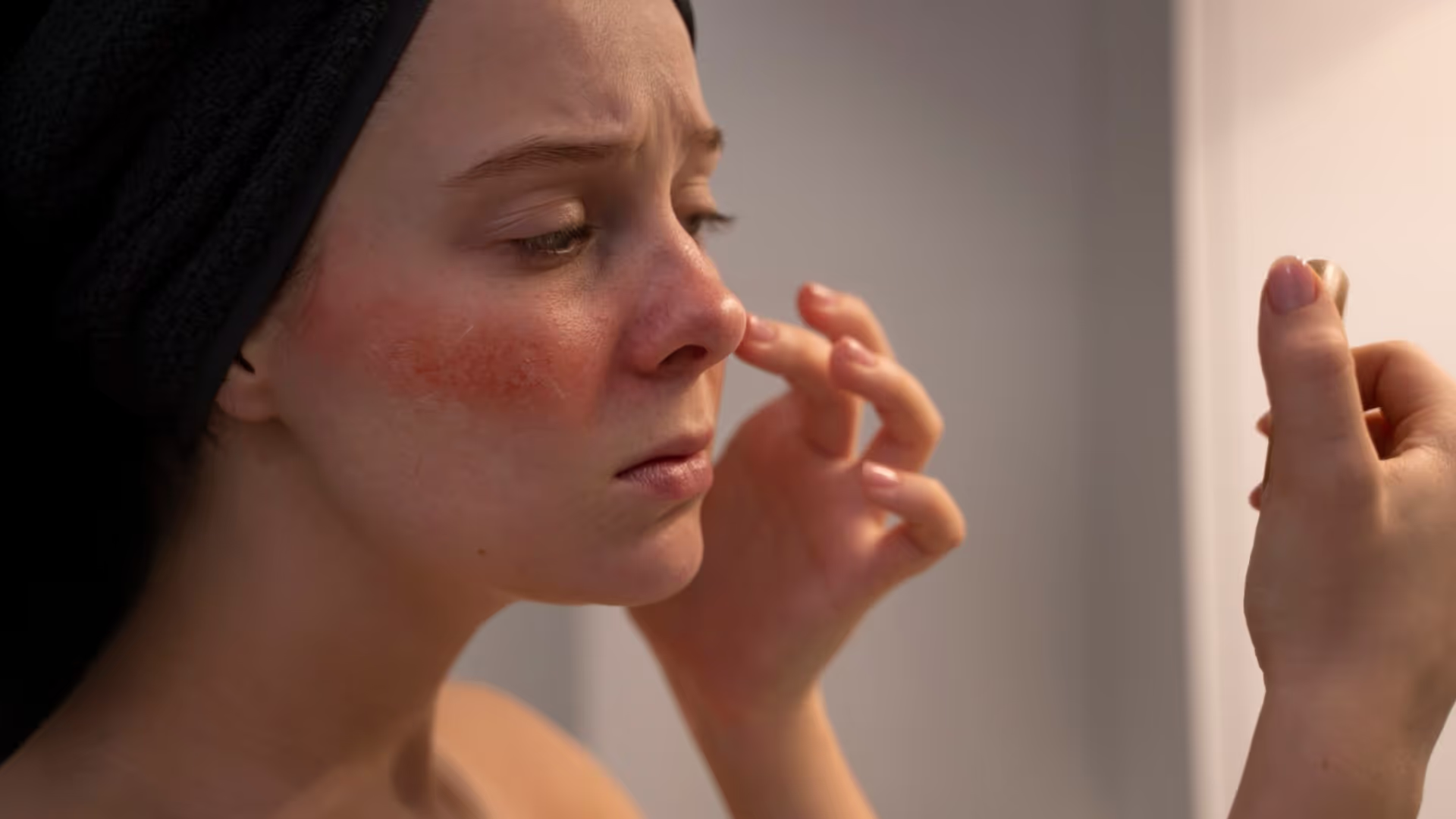
After treatment, redness, scabs, or a burning sensation may occur. These reactions are normal and disappear gradually.
What precautions should be taken after the session?
It is essential to avoid exposure to light for 48 hours (sun, intense light) and to follow the recommendations given during the consultation.