
Benign ectoparasitoses: head lice and scabies
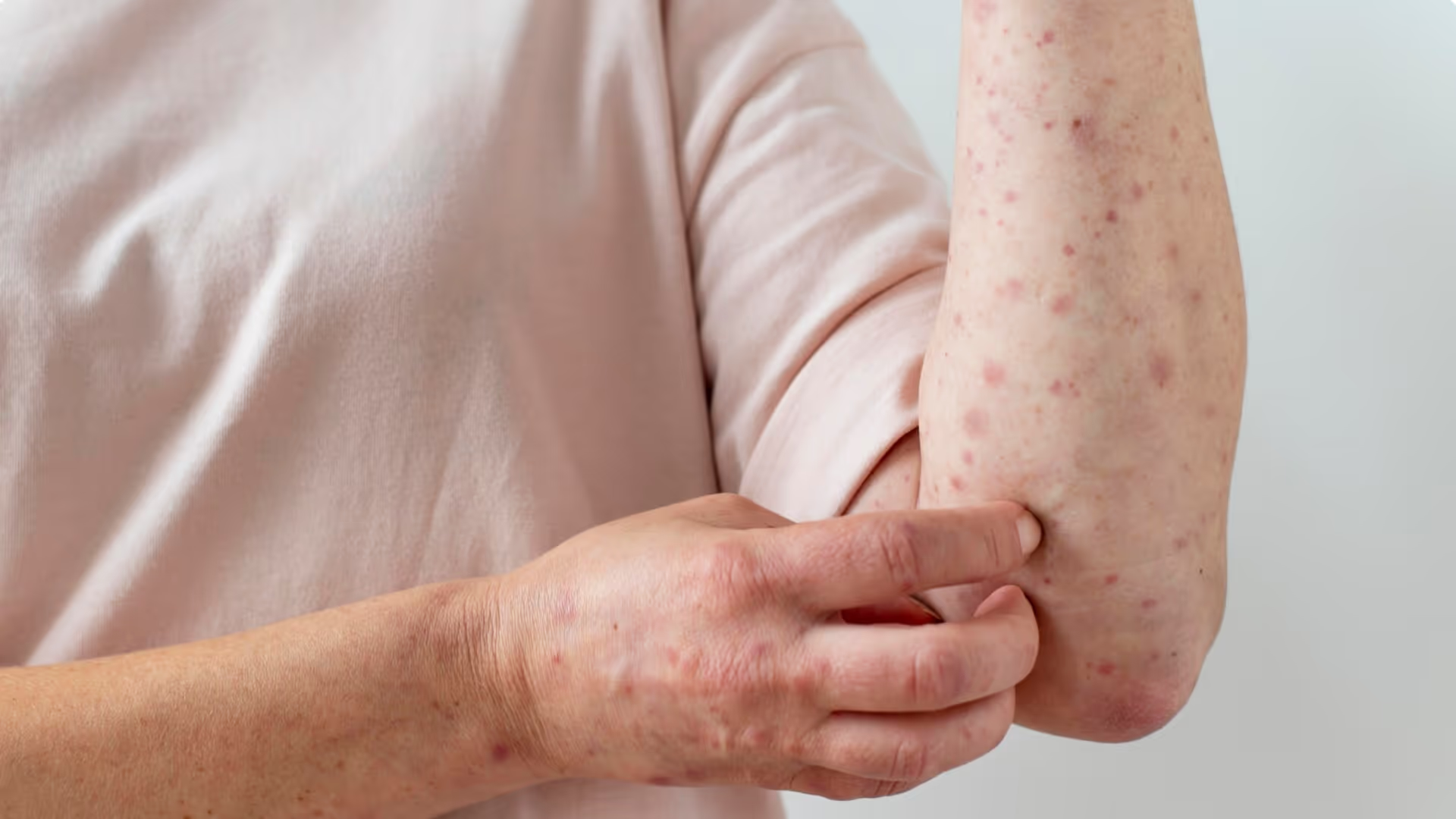
Certain skin conditions are caused by external parasites, known as ectoparasites. The two most common situations are head lice and scabies.
Although these conditions can be unpleasant or distressing, they remain benign and treatable when properly managed.
Head lice
The head louse (Pediculus humanus capitis) mainly affects school-aged children. It often appears in small seasonal outbreaks, particularly in schools or community settings.
Contrary to popular belief, lice often prefer clean and shiny hair.
How to recognise head lice?
The most common sign is scratching of the scalp, particularly:
- at the back of the head
- behind the ears
The adult louse can sometimes be observed, but more often it is the nits — small whitish eggs attached to the hair — that are visible.
How to get rid of them?
Treatment often requires rigour and perseverance.
It is important to:
- treat everyone living in the same household
- repeat the treatment on day 1 and then on day 8
- clean the immediate environment
Available treatments may include specific lotions or shampoos prescribed or recommended by a healthcare professional.
Important hygiene measures
To prevent reinfestation:
- wash pillowcases, hats and clothing at 60 °C
- place certain items in the freezer when washing is not possible
- if necessary, use an antiparasitic spray in a sealed bag for 24 hours for non-washable items
Scabies
Scabies is a skin infection caused by a microscopic parasite called a mite. It is less common in our region but can be contracted through close contact with an infected person or during travel.
Symptoms
In children, the most common signs are:
- intense itching, especially at night
- lesions on the hands and feet
In adolescents and adults, lesions often appear:
- between the fingers
- on the wrists
- in the armpits
- in the genital area
Treatment
Scabies treatment is generally administered to the whole family, as close contacts may be infected.
It involves:
- the application of specific antiparasitic creams
- sometimes oral treatment in certain situations
Treatment must always be prescribed and explained by a doctor, as improper use may be ineffective or cause adverse effects, particularly in young children.
Hygiene measures
To prevent transmission:
- wash sheets and clothing worn within the previous 48 hours
- disinfect textiles or objects likely to be contaminated
Appropriate management
Benign ectoparasitic conditions such as head lice or scabies are common but can be effectively treated when properly diagnosed.
Appropriate management, combined with hygiene measures, generally allows for rapid elimination of the parasites and prevention of recurrence.
Related services

Dermatological check-up
The skin check-up is a comprehensive skin examination performed by a dermatologist to detect any skin abnormalities early and address your skin concerns.
You may also like to read


Need personalised advice?
Our specialists are at your disposal to define the protocol best suited to your needs.
